You spent two hours cooking. The kitchen smells incredible. You carry the plate to the table and it looks like a pile. The flavors are there, but your eyes aren’t getting the memo. Here’s the thing most home cooks don’t realize: how to present your food is a skill, not a talent. And you can pick it up faster than you think.
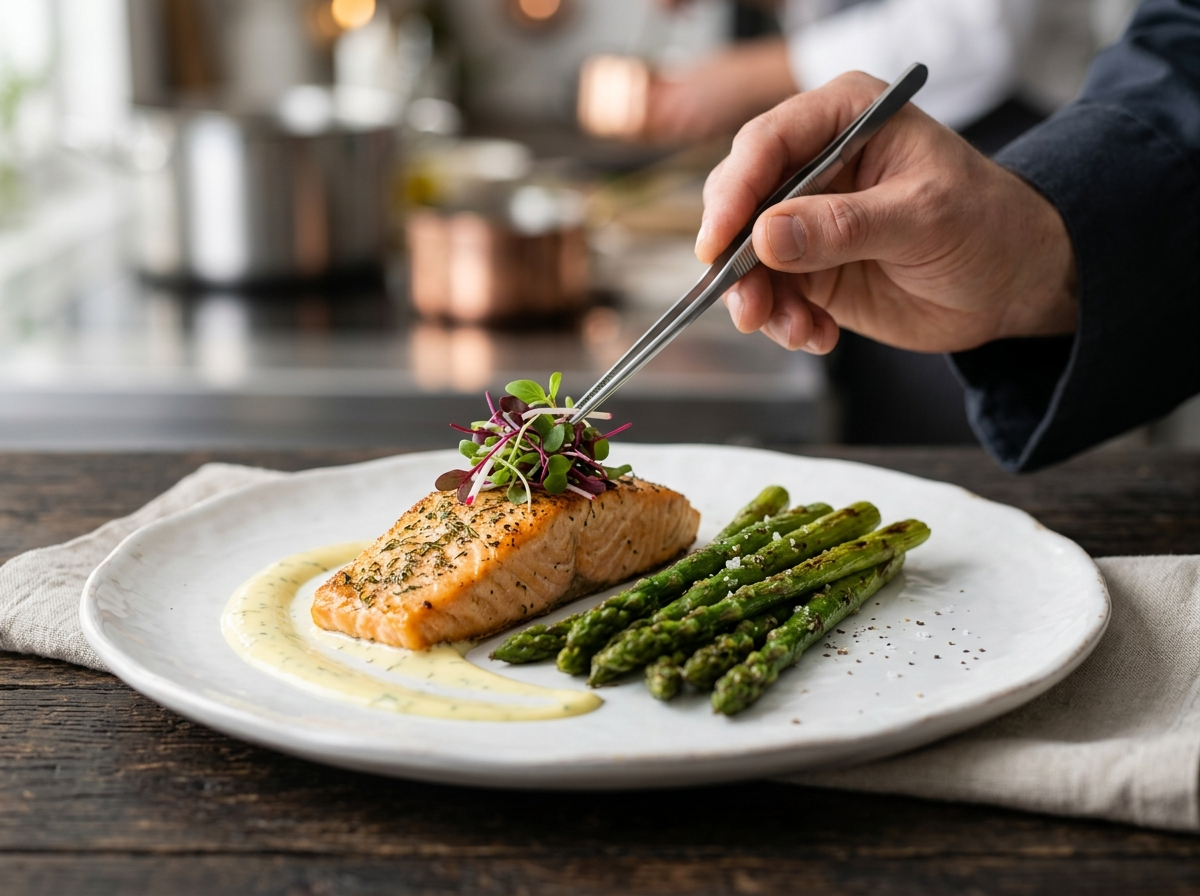
Food presentation is simply the art of arranging food on a plate so it looks as good as it tastes. That’s it. You don’t need tweezers, microgreens, or a culinary degree. You need a few principles and a little intention. Let me walk you through what actually works, whether you’re serving a weeknight dinner or hosting a crowd.
How to Present Your Food and Why It Actually Matters
There’s an old saying in the culinary world: “You eat with your eyes first.” It sounds like a cliché, but the science backs it up. Research from Oxford University’s Crossmodal Research Lab has shown that the visual appearance of food directly changes how people perceive its flavor. The same dessert can taste sweeter on a white plate than on a black one. That’s not a trick — it’s how your brain processes sensory input. (The Crossmodal Research Lab at Oxford has published extensively on how sight, sound, and touch shape taste perception — worth exploring if you’re curious about the science behind it.)
When you set a plate in front of someone, their brain makes a judgment in roughly 50 milliseconds. Before they pick up a fork, they’ve already decided if the food looks fresh, appealing, and worth eating. That first impression shapes the entire meal.
This matters even more when you’re hosting. Think about the last time someone served you a beautifully arranged plate. You probably pulled out your phone. You felt like the cook cared about you. That’s the real power of food presentation tips — they signal effort and attention, and people notice.
But I want to be honest with you. Not every meal needs to look like a Michelin-starred restaurant. A big pot of chili ladled into bowls at a football watch party is perfect exactly as it is. The goal isn’t to turn every Tuesday dinner into a photo shoot. The goal is to have a few tricks ready for the moments when presentation counts.
The Plate Is Your Canvas — Choosing the Right One
Before you put a single piece of food down, you need the right plate. This is where most home cooks go wrong without realizing it.
White plates are your safest bet. They create contrast with almost every food color, and they give you a clean background that lets the dish speak for itself. Professional kitchens use white for a reason — it works with everything from a bright salsa verde to a dark, smoky brisket. If you’re building a basic plate collection, start with white.
Size matters more than you’d expect. A common mistake is using a plate that’s too small, which makes the food look crammed and messy. Go the other direction, though, and a normal portion looks lost on a huge platter. A 10-to-12-inch dinner plate handles most main courses well. For appetizers or sides, drop down to 7 or 8 inches.
The shape of the plate changes the feel of the dish, too. Round plates are classic and forgiving. Square or rectangular plates give a modern, structured look that works well for grilled meats or composed dishes. If you’re serving something casual like tacos loaded with the best taco toppings, a round plate or even a wooden board feels more natural and inviting.
One more thing — the rim of the plate is your friend. Wide-rimmed plates give you a built-in frame that makes even simple food look intentional. The food sits in the center well, and the rim creates breathing room. You’ll see this trick in almost every restaurant you’ve ever been to, and it works just as well at home.
How to Present Your Food Using Five Simple Principles
You don’t need to memorize a textbook to plate well. These five principles cover about 90% of what you need to know, and they work whether you’re serving a weeknight dinner or a holiday feast.
Create a Focal Point
Every plate needs a star. Your eye needs somewhere to land first, and that’s usually the protein or the most visually striking element of the dish. Place it slightly off-center rather than dead in the middle. This creates visual tension that feels more dynamic and interesting.
Think of it like a photograph. You wouldn’t put the subject right in the center of every shot — you’d use the rule of thirds. The same logic applies to your plate. Put the main item at roughly the 10 o’clock or 2 o’clock position, and arrange the supporting elements around it. The eye naturally follows that arrangement, and the plate feels balanced without looking boring.
Play With Height and Layers
Flat food looks flat. One of the easiest ways to make a plate look professional is to build some vertical dimension. Lean a piece of grilled chicken against a mound of rice instead of laying it flat beside it. Stack your roasted vegetables instead of spreading them in a single layer.
Height creates shadows and depth, which make the plate photograph better and look more three-dimensional in person. You don’t need to build a tower — even an inch or two of elevation makes a noticeable difference. A simple trick is to place your starch (rice, mashed potatoes, polenta) down first as a base, then layer the protein and vegetables on top.
Use Color Contrast Intentionally
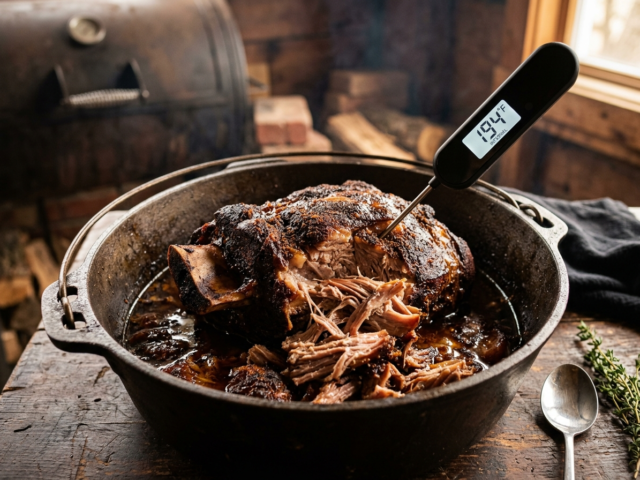
A plate of all-brown food is going to look dull, no matter how delicious it is. This comes up constantly with BBQ and comfort food, where the dominant colors tend to be brown, tan, and charred black. The fix is straightforward: add a pop of color.
A handful of bright green cilantro, a few slices of red radish, a squeeze of lime, or a drizzle of vibrant green chimichurri can transform a plate from forgettable to striking. Think about how acid and fat balance each other in cooking — color works the same way visually. Bright, fresh-looking colors cut through the visual heaviness of dark, rich foods and wake up the whole plate.
Aim for at least three distinct colors on the plate. If your main dish is brown (like a steak or pulled pork), add something green and something red or orange. Your eyes will thank you before your taste buds even get involved.
Leave Negative Space
This is the principle most home cooks struggle with because it feels counterintuitive. You want to give your guests a generous portion, so you fill the plate edge to edge. But crowding the plate is the fastest way to make food look sloppy.
Leave at least a third of the plate empty. That open space — designers call it negative space — gives the eye room to rest and makes the food you did put on the plate look more deliberate. Think of it like a museum wall. A single painting on a big white wall looks important. Ten paintings crammed together look like a garage sale. Your plate works the same way.
Wipe the Rim (Yes, Really)
This takes three seconds and makes a bigger difference than almost any other trick on this list. Before the plate leaves the kitchen, take a clean towel and wipe the rim. Smudges of sauce, stray drops of oil, and fingerprints on the edge of the plate scream “amateur.” A clean rim signals care and precision.
I know it sounds almost too simple to mention. But I’ve watched home cooks spend twenty minutes carefully arranging a plate and then carry it to the table with a thumbprint in the sauce on the rim. That one detail undoes all the work. Wipe the rim. Every single time.
How to Plate Food by Dish Type
The principles above are universal, but the way you apply them changes depending on what you’re cooking. A steak needs a different approach than a taco, and a saucy pasta needs different handling than a dry-rubbed wing.
Plating Meats and BBQ
BBQ is one of the hardest foods to plate because it’s inherently rustic. Brisket, pulled pork, and ribs don’t naturally look elegant, and trying to force them into a fine-dining style usually backfires. Instead, lean into the rustic vibe.
Slice brisket against the grain in uniform, pencil-thick slices and fan them out slightly so you can see the smoke ring. That cross-section is your visual payoff — it tells the story of the cook and immediately signals to anyone at the table that they’re about to eat something special. If you’re serving pulled pork and want ideas beyond the usual bun, check out these 25 ways to serve pulled pork that range from casual to impressive. A shallow bowl or a wooden cutting board often works better than a flat plate for BBQ because the edges contain the mess and give the presentation a casual, intentional feel.
For grilled steaks, let the meat rest before slicing (this matters for flavor and juiciness, not just looks), then cut on a bias and fan the slices to show the interior color. A simple smear of sauce on the plate underneath the meat looks more professional than pouring sauce over the top, which hides the crust you worked so hard to build.
Plating Tacos and Casual Dishes
Tacos are a plating challenge because they’re meant to be handheld and messy. Don’t fight that. Instead, plate the tacos slightly open-faced so the fillings are visible from above. Angle them against each other or lean them on a small mound of shredded cabbage for height.
Garnish with intention. A few pickled red onions, a sprinkle of cotija cheese, and a wedge of lime on the side add color and signal freshness. Avoid dumping a mountain of toppings on top that hides the protein — you want people to see what they’re eating.
For casual dishes like nachos or loaded fries, use a wide, shallow bowl or a cast-iron skillet. The vessel itself adds character and keeps things from spreading into a sad, flat layer that cools down too fast.
Plating Pasta and Saucy Dishes
Saucy dishes are tricky because gravity works against you. The sauce pools, the pasta slides, and within two minutes the plate looks like a puddle. The trick is to twirl or fold the pasta into a tight mound in the center of the plate rather than spreading it out. Use tongs to twist long noodles into a neat nest, then spoon a small amount of sauce over the top — not so much that it drowns the dish.
For stews, curries, and braises, use a wide, shallow bowl instead of a deep one. A deep bowl hides the food and makes it look like cafeteria soup. A shallow bowl shows off the ingredients on the surface and gives you room to add a garnish that actually shows up against the sauce.
Garnishes That Earn Their Spot on the Plate
Let me be direct about garnishes: if it doesn’t add flavor or texture, it doesn’t belong on the plate. A sprig of parsley sitting untouched on the rim is decoration, not a garnish. Your guests will flick it aside, and it adds nothing to the experience.
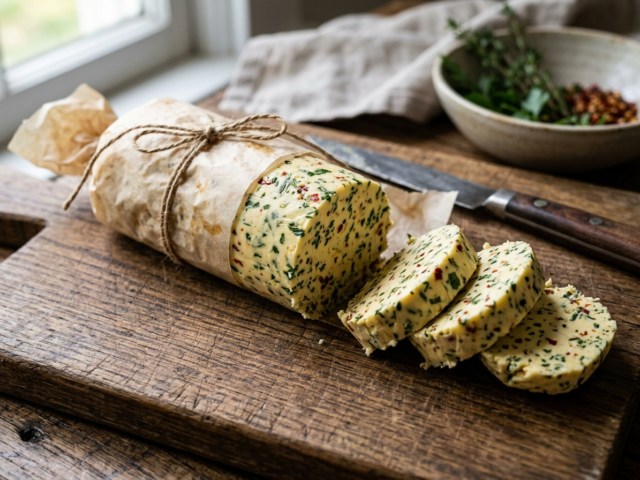
A good garnish does double duty. Fresh herbs like cilantro, basil, or chives add a pop of green and a burst of flavor. A drizzle of good olive oil adds sheen and richness. A sprinkle of flaky salt adds crunch and visual sparkle. A compound butter melting over a hot steak adds both visual drama and incredible taste as it pools into the meat.
Think of garnishes as the last seasoning step, not the first decoration step. If you wouldn’t eat it on its own, question whether it needs to be there. The best garnishes are the ones your guests actually eat along with the dish.
How to Present a Dish for Photos vs. the Dinner Table
Here’s a practical distinction most articles skip entirely. Plating for a photograph and plating for a dinner table are two different games, and confusing them leads to problems in both directions.
For photos, you want tight compositions, strong lighting, and exaggerated color contrast. You might under-sauce a dish so it doesn’t look greasy on camera, or add extra garnish that you’d normally skip. The food only needs to look good for about thirty seconds, so you can get away with tricks that wouldn’t hold up in real life.
For the table, you need the food to hold up for the five to ten minutes it takes everyone to sit down, pass the rolls, and start eating. That means saucing a little more generously so the food doesn’t dry out, keeping hot food on warmed plates, and avoiding delicate garnishes that wilt the second they touch something warm.
Pro Tip: If you’re plating for a dinner party and want both good photos and good food, plate one “hero” portion for the camera first, then re-plate for actual serving. It takes an extra minute and saves you from serving a cold, over-styled plate to your guests.
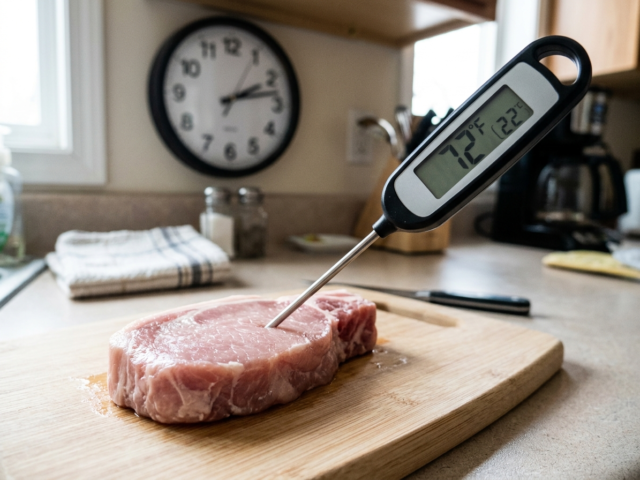
One thing to keep in mind regardless of the setting: food safety still applies. Don’t let hot food sit out at room temperature for extended periods while you fuss with the presentation. The temperature danger zone is real, and no amount of pretty plating is worth a foodborne illness. Keep hot food hot and cold food cold, and plate quickly.
(Note: The food safety information above is general guidance. For specific food safety questions, consult your local health department or a certified food safety professional.)
FAQ
What is the easiest way to make food look better on a plate?
The single fastest improvement you can make is to wipe the rim of the plate and leave more empty space around the food. Most home cooks overcrowd the plate, which makes everything look messy. Pull the food toward the center, leave the edges clean, and you’ll see an immediate difference. It takes less than ten seconds and works with every dish.
What color plate makes food look best?
White plates are the most versatile choice because they create contrast with nearly every food color. That said, research from Oxford’s Crossmodal Research Lab suggests that the “best” plate color depends on the dish. Dark plates can make bright, colorful foods pop, while earth-toned plates complement rustic dishes like stews and roasts. When in doubt, go white — it’s the reason restaurant kitchens default to it.
How do you plate food for a dinner party without spending too much time?
Focus on three things: a clean plate, a clear focal point, and one colorful garnish. Don’t try to replicate restaurant plating with tweezers and microgreens. Choose a nice serving platter, arrange the main dish with some height, add a handful of fresh herbs for color, and wipe the edges. That’s enough to impress your guests without keeping you stuck in the kitchen while everyone else is having fun.
The next time you cook something you’re proud of, take an extra sixty seconds before you carry it to the table. Wipe the rim. Add a squeeze of lime or a scattering of fresh herbs. Give the food some breathing room on the plate. You’ll be surprised at how much those small moves change the way people react to your cooking.
Great food deserves to look great. And now you know exactly how to make that happen — no culinary school required. If you want more hands-on plating ideas you can use tonight, our simple plating tips for home cooks breaks down even more techniques you can start using right away.
External Link Notes for Editor:
- The Oxford Crossmodal Research Lab link (https://www.psy.ox.ac.uk/research/crossmodal-research-laboratory) is a verified institutional URL. The specific research on plate color and taste perception is primarily associated with Professor Charles Spence — please verify the exact page you’d like to link to.
- For the claim about the Culinary Institute of America’s plating fundamentals, I referenced the concepts (focal point, negative space, height) that are standard in CIA curriculum. If you’d like a specific external link, a good candidate would be a CIA-published article or video on plating basics — please verify and insert the preferred URL.