
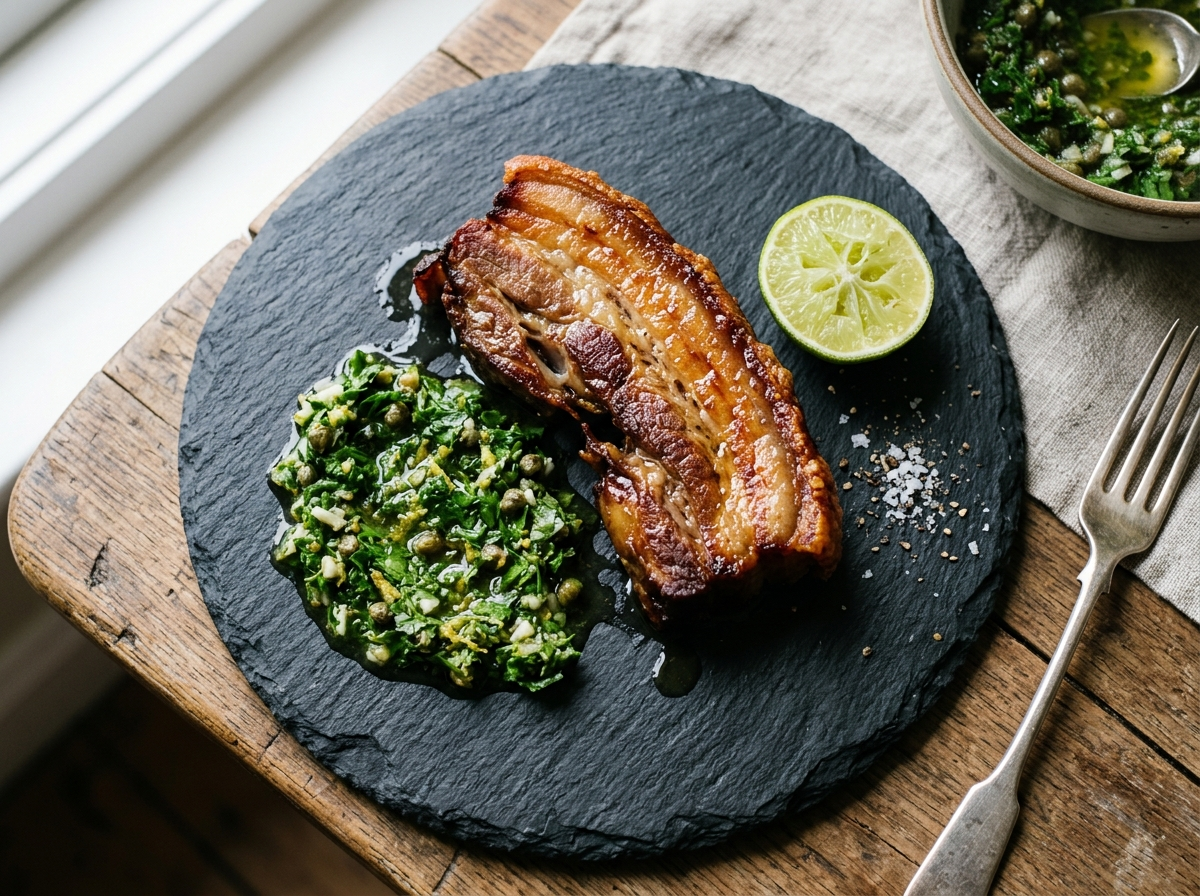
You’ve salted your dish. You’ve seasoned it. You’ve cooked it low and slow. But when you take a bite, something still feels… off. It’s heavy. Or maybe it’s sharp. Your tongue knows the flavor isn’t quite right, but you can’t name what’s missing.
Chances are, the problem isn’t salt. It’s the relationship between acid and fat — the yin and yang of cooking that most home cooks never think about until they learn to taste for it.
What Do Acid and Fat Actually Do in Your Food?
Before we talk about balance, you need to know what each of these forces does on your tongue. They’re not just ingredients. They’re tools that change how every other flavor in your dish shows up.
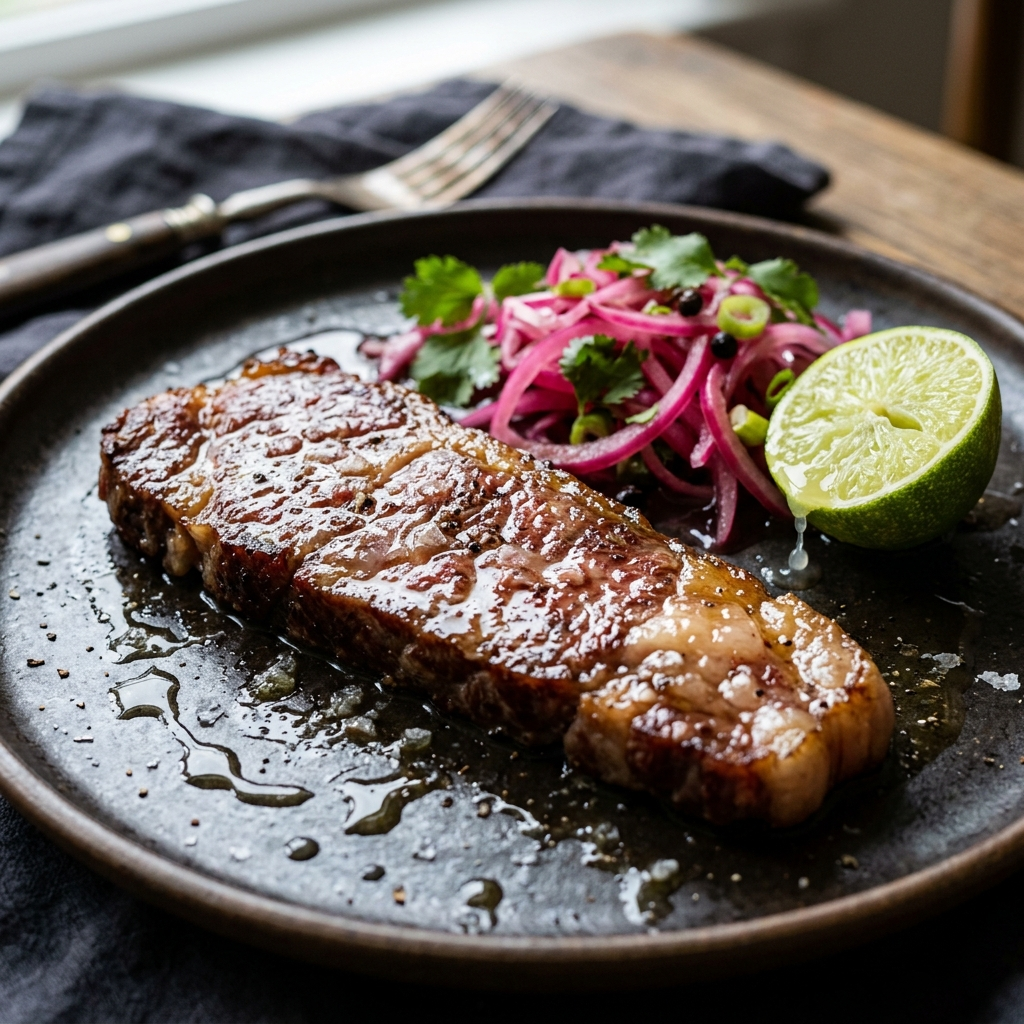
Acid: The Brightener
When you squeeze a lime over a taco or splash vinegar into a pot of beans, you’re adding acid. And acid does something almost magical — it wakes everything else up.
On a physical level, acid triggers the sour receptors on your tongue and makes your mouth produce more saliva. That extra saliva spreads flavor compounds around your palate faster, which is why a squeeze of lemon makes a piece of grilled fish taste more like fish and not just like heat and salt. Acid doesn’t add a new flavor so much as it amplifies what’s already there.
Think of acid like turning up the brightness on your phone screen. The picture was always there, but suddenly you can see the details.
Common cooking acids include citrus juice (lemon, lime, orange), vinegars (apple cider, red wine, rice, white), tomatoes, yogurt, buttermilk, wine, and fermented foods like sauerkraut or pickled onions. Each one brings a different character. Lime is sharp and tropical. Balsamic vinegar is sweet and round. Tomato is subtle and earthy. But they all share that brightening effect.
Fat: The Carrier and Comforter
Fat does the opposite job, and that’s exactly why these two need each other. Where acid brightens, fat deepens. Where acid sharpens, fat rounds.
Fat coats your tongue and slows down how quickly flavor compounds hit your taste receptors. That slower release is what gives rich foods their long, lingering finish. It’s also why a spoonful of butter stirred into a pan sauce makes the whole thing taste more complete — the fat is literally carrying fat-soluble flavor molecules that water and acid can’t dissolve on their own.
This is a point Harold McGee makes in his landmark book On Food and Cooking: many of the aromatic compounds in herbs, spices, and browned meat are fat-soluble, meaning they literally need fat to reach your taste buds in full force.
Common cooking fats include butter, olive oil, vegetable oils, lard, beef tallow, avocado, cream, cheese, coconut milk, and nut butters. Like acids, each fat has its own personality. Butter is sweet and creamy. Olive oil is grassy and peppery. Lard is neutral and flaky. But they all share that smoothing, enriching quality.
Why Acid and Fat Need Each Other
Here’s where the yin-yang idea really clicks. Yin and yang aren’t enemies. They’re complements. One doesn’t cancel the other out — they complete each other. And that’s exactly how acid and fat work in your kitchen.
Too much fat without acid gives you a dish that feels heavy, greasy, and one-note. Think of a cream sauce that coats your mouth so thickly you can barely taste anything underneath it. Your palate gets fatigued fast. Every bite starts to taste the same.
Too much acid without fat gives you a dish that’s harsh, thin, and almost aggressive. Think of a vinaigrette that’s mostly vinegar with barely any oil. It makes your lips pucker and your eyes water, and it overpowers the delicate greens it’s supposed to dress.
But put them together? The fat softens the acid’s sharp edges. The acid cuts through the fat’s heaviness. You get a dish that’s rich and bright, deep and lively. That tension is what makes restaurant food taste so much more layered than a lot of home cooking — chefs are constantly adjusting this balance right up until the plate leaves the kitchen.
Samin Nosrat built her entire James Beard Award-winning cookbook Salt, Fat, Acid, Heat around this idea. Her argument is simple: if you learn to taste for these four elements and adjust them, you can cook almost anything without a recipe. Acid and fat are two of the four pillars, and they lean on each other more than most people realize.
You already know this intuitively if you’ve ever squeezed lime over a rich carnitas taco or dipped a buttery piece of bread into an acidic tomato soup. Your brain recognized the balance before your vocabulary caught up.
How to Balance Flavors in Cooking With Acid and Fat
Knowing the theory is great, but you need to know what to do when you’re standing over a pot at 7 p.m. and dinner tastes wrong. Here’s how to fix the most common problems.
When Your Dish Tastes Too Rich or Heavy
This is the most common imbalance home cooks run into. You’ve made a braised short rib, a creamy pasta, or a slow-cooked pulled pork, and it tastes amazing for the first two bites. By the fifth bite, your palate is exhausted. Everything tastes the same.
The fix is acid, and you want to add it at the very end. A squeeze of fresh lemon over the pasta. A splash of apple cider vinegar stirred into the braising liquid right before serving. A spoonful of pickled red onions piled on top of the pork. The acid cuts through the fat coating your tongue and resets your palate so each bite tastes as good as the first.
Here’s a practical detail most articles skip: the type of acid matters depending on the dish. For something rich and meaty, a sharper acid like red wine vinegar or lime juice works well because it has enough punch to stand up to the fat. For something creamy and delicate — think a butter-poached fish — a gentler acid like a squeeze of Meyer lemon or a spoonful of crème fraîche is a better fit. You don’t want the cure to be louder than the problem.
When Your Dish Tastes Too Sharp or Thin
This one happens less often but catches people off guard. Maybe you went heavy on the tomatoes in a sauce, or you added too much vinegar to a dressing, or your salsa has that aggressive bite that makes your eyes water. The dish feels thin and almost metallic on your tongue.
The fix is fat. Stir a pat of cold butter into that tomato sauce (this is actually a classic Italian technique called mantecatura). Drizzle good olive oil over the salsa. Fold some diced avocado into the mix. The fat coats your tongue and takes the aggressive edge off the acid without eliminating it entirely. You still want brightness — you just don’t want it to hurt.
A quick note on seasoning in general: before you reach for acid or fat to fix a dish, make sure your salt level is right. Salt, acid, and fat form a three-legged stool. If the salt is off, adjusting the other two won’t fully solve the problem. Taste for salt first, then acid, then fat.
Timing Matters: When to Add Acid vs. Fat
This is the part that separates decent cooks from great ones. When you add acid and fat changes what they do.
Fat generally goes in early. You sauté your onions in olive oil. You sear your steak in butter. You bloom your spices in ghee. Heat and fat work together to extract and carry flavor from the very beginning of the cooking process. The fat also protects delicate ingredients from burning and helps build the fond (those browned bits) on the bottom of your pan that become the base of your sauce.
Acid generally goes in late. This is because heat destroys the volatile compounds that give acids their bright, fresh character. If you squeeze lemon juice into a sauce at the beginning of a 45-minute simmer, most of that brightness will cook off, and you’ll be left with a flat, slightly bitter note. But if you squeeze that same lemon over the finished dish right before serving, you get a vivid, clean pop of flavor that lifts everything.
There are exceptions, of course. A long-braised dish like a pot roast benefits from an acidic ingredient like wine or tomatoes added early because the acid helps break down tough connective tissue in the meat over time. The brightness will mellow, but the tenderizing effect is worth it. Cooking is full of these trade-offs, and part of getting better is learning which rules to bend.
Real-World Examples of Acid and Fat in Action
The best way to internalize this concept is to see how different cuisines have already solved the acid-fat puzzle, often centuries ago.
Mexican cooking is a masterclass in this balance. Think about a great taco: you’ve got the rich, fatty meat — maybe carne asada or slow-braised pork — sitting on a warm tortilla. Then you hit it with a squeeze of fresh lime, a spoonful of tangy salsa verde, and maybe some pickled onions. The acid cuts right through the fat, and every bite tastes vibrant instead of greasy. The same logic applies to guacamole, where the richness of the avocado gets balanced by lime juice and tomato.
Italian cooking leans on the same dynamic in a different way. A classic aglio e olio pasta is essentially fat (a generous pour of olive oil) balanced by the mild acidity of the starchy pasta water and a finish of lemon or a side of acidic marinara. A caprese salad pairs the fat of fresh mozzarella with the acid of ripe tomatoes and a drizzle of balsamic.
French cuisine builds entire sauces around this tension. A beurre blanc is literally cold butter (fat) emulsified into a reduction of white wine and vinegar (acid). The result is a sauce that’s impossibly rich but somehow still light on the tongue. That’s the yin-yang in a single spoonful.
Indian cooking layers acid and fat across the whole meal. Ghee (clarified butter) carries the spices, while yogurt, tamarind, and amchur (dried mango powder) provide the acidic counterpoint. A rich, creamy tikka masala wouldn’t work without the tang of the tomato and yogurt base cutting through all that cream.
Once you start looking for this pattern, you’ll see it everywhere. It’s not a trick. It’s a universal principle of good cooking.
Your Kitchen Cheat Sheet for Cooking Acids and Fats
If you want a quick reference to keep in your back pocket, here’s a simple comparison of common acids and fats and when they shine.
| Ingredient | Type | Best For | Add When |
|---|---|---|---|
| Fresh lime juice | Acid | Tacos, grilled meats, salsas, beans | End of cooking or raw |
| Red wine vinegar | Acid | Pan sauces, braises, vinaigrettes | Late in cooking or raw |
| Tomatoes (canned or fresh) | Acid | Sauces, stews, soups | Early for depth, late for brightness |
| Yogurt or buttermilk | Acid + Fat | Marinades, dressings, curries | Off-heat or low-heat to avoid curdling |
| Butter | Fat | Pan sauces, pastas, finishing | Early for cooking, late for richness |
| Olive oil | Fat | Sautéing, dressings, finishing | Early for cooking, raw for finishing |
| Avocado | Fat | Tacos, salads, toast | Always raw |
| Beef tallow or lard | Fat | Frying, roasting, high-heat searing | Early, as the cooking medium |
Keep this in mind as you build your pantry flavor library — having a few reliable acids and fats on hand at all times makes it much easier to rescue a dish that’s not quite right.
Frequently Asked Questions
What does acid do in cooking?
Acid brightens and amplifies the flavors already in your dish. It triggers your sour taste receptors, increases saliva production, and helps spread flavor compounds across your palate. In practical terms, a splash of vinegar or a squeeze of citrus makes food taste more vivid and layered. Acid also has functional roles — it can tenderize meat in marinades, prevent browning in fruits, and help emulsify sauces.
How do you fix a dish that tastes too fatty or heavy?
Add an acidic ingredient at the end of cooking. Start small — a teaspoon of vinegar, a squeeze of lemon, a spoonful of pickled vegetables — and taste after each addition. You’re not trying to make the dish taste sour. You’re trying to cut through the heaviness so your palate doesn’t get fatigued. If you overshoot and the dish becomes too sharp, you can bring it back with a small amount of fat like butter or cream.
Can you add acid and fat at the same time?
Yes, and many great dishes do exactly this. A vinaigrette is acid and fat emulsified together. A butter-lemon pan sauce combines both in the final minutes of cooking. The key is understanding that heat will dull the acid’s brightness over time, so if you want a vivid acidic punch, add at least some of the acid right at the end, even if you also used an acidic ingredient earlier in the cooking process.
The next time you taste a dish and something feels off, resist the urge to just add more salt. Take a second to ask yourself: is this too heavy, or too sharp? Does it need a squeeze of lime, or a pat of butter? That small pause — that moment of actually tasting with intention — is where good cooking turns into great cooking.
Start with one dish this week. Make something rich and finish it with acid. Or make something bright and round it out with fat. Pay attention to what happens on your tongue. Once you feel that yin-yang click into place, you won’t be able to un-taste it. And your cooking will never feel flat again.


2 Comments