You bought a $3 bunch of cilantro on Sunday. By Wednesday, it’s a slimy green puddle in the crisper drawer. Sound familiar?
You’re not alone, and you’re not bad at cooking. The problem is that most grocery stores sell herbs in plastic clamshells with zero instructions, and nobody told you that cilantro and rosemary need completely different treatment. This guide to fresh herbs and spices will fix that. You’ll walk away knowing exactly which herbs to buy, how to keep them alive for weeks, and when to toss them into the pan so your food actually tastes like something.
What Are Herbs and Spices, Exactly?
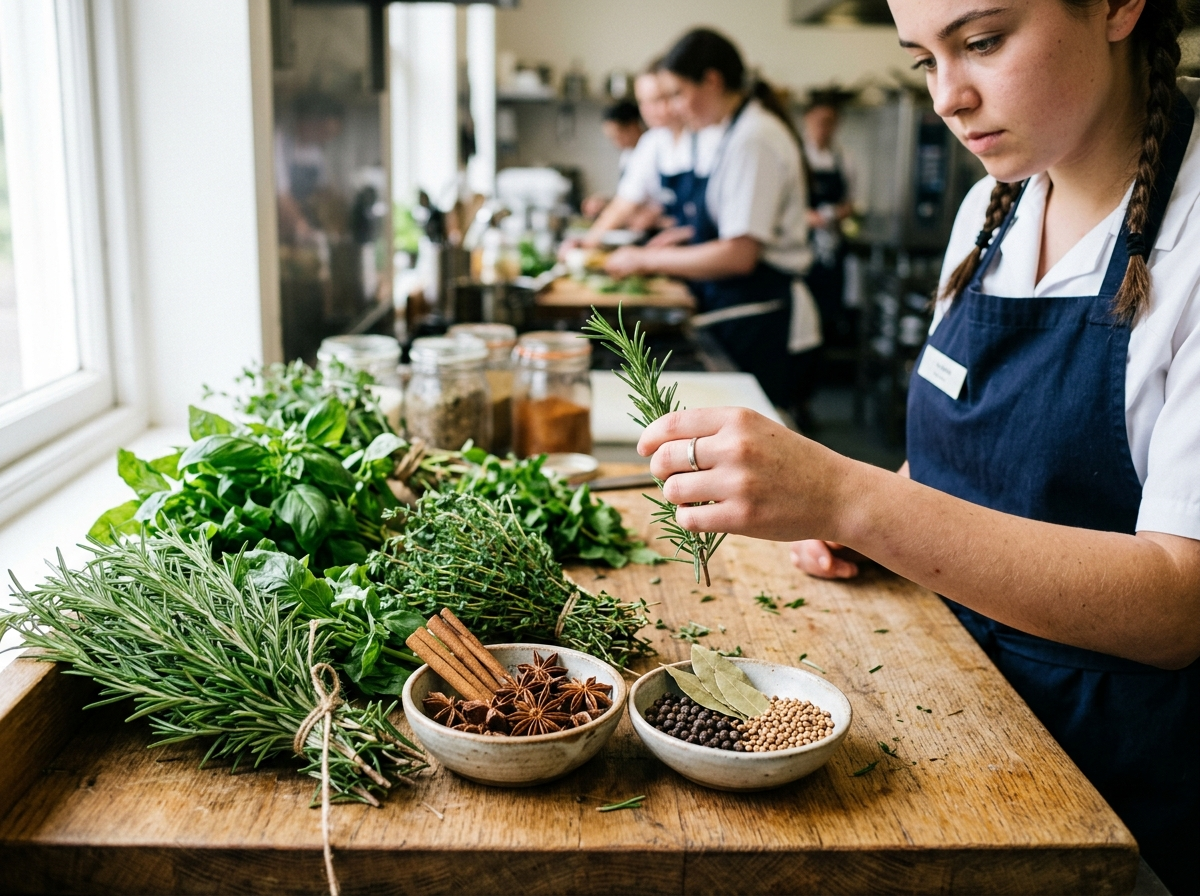
People use “herbs and spices” like they’re the same thing, but they come from different parts of the plant. Herbs are the leafy green parts — think basil, parsley, cilantro, thyme. Spices come from everything else: the seeds (cumin, coriander), the bark (cinnamon), the roots (ginger, turmeric), and the dried flower buds (cloves).
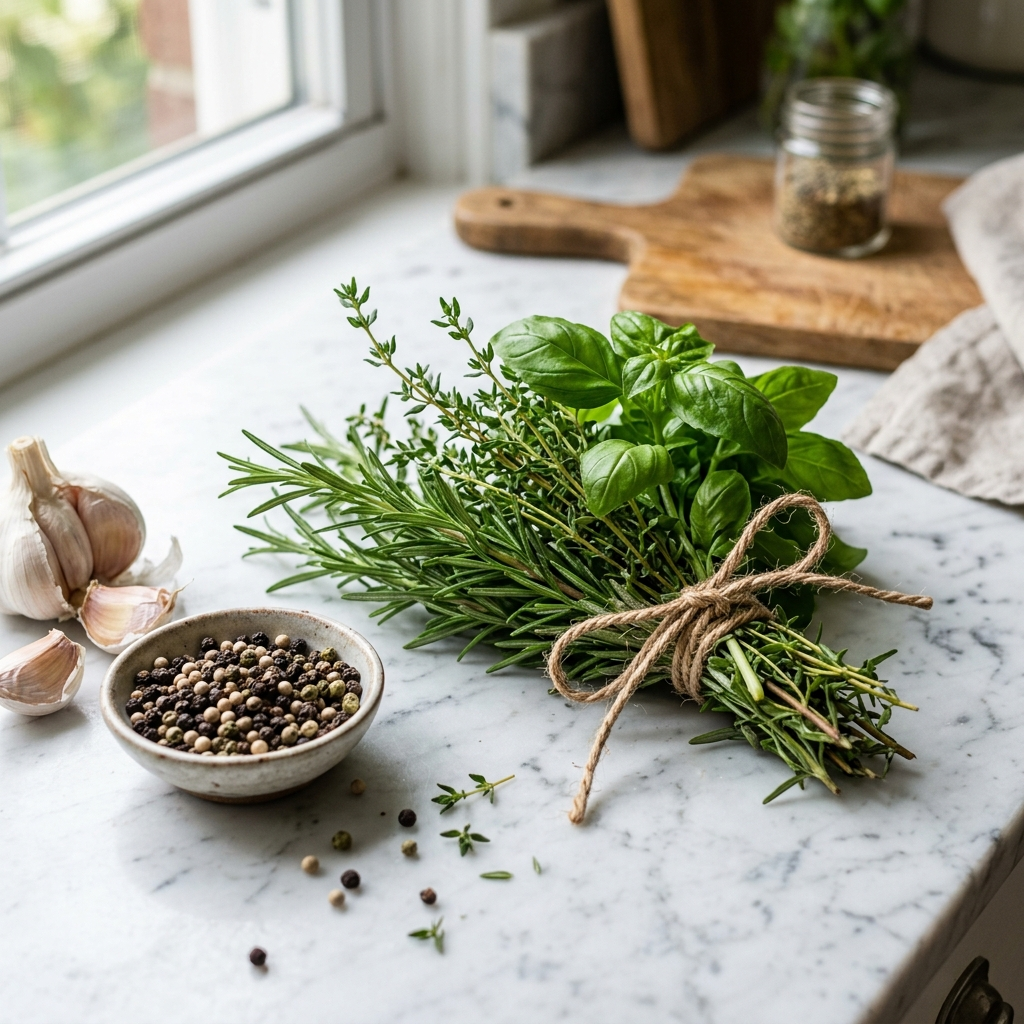
Why does this matter for you as a cook? Because herbs and spices behave differently in the pan. Fresh herbs are delicate. Their flavor lives in volatile oils that evaporate quickly when heated. Spices, on the other hand, are tougher. Their flavor compounds are locked inside hard cell walls, and they actually need heat and fat to release their full potential. Harold McGee explains this beautifully in On Food and Cooking — the aromatic molecules in herbs are so volatile that they literally float away into the air the moment you crush a leaf. That’s why your kitchen smells amazing when you chop basil but the flavor disappears if you cook it too long.
So when you’re building flavor in a dish, you’re working with two very different tools. Think of spices as the foundation you lay early, and fresh herbs as the finishing touch you add at the end. Understanding this single idea will improve your cooking more than any recipe ever will. If you want to dig deeper into how all these flavors work together, building a pantry as a flavor library is a great next step once you’ve got the herb basics down.
Fresh Herb Basics: Soft Herbs vs. Hard Herbs
This is the concept most beginner articles skip, and it’s the one that changes everything. Fresh herbs fall into two camps: soft herbs and hard herbs. Once you know which camp your herb belongs to, you’ll know how to store it, when to cook with it, and how much to use.
Soft herbs (also called tender herbs) have delicate stems and leafy greens that bruise easily. Basil, cilantro, parsley, dill, mint, and chives are all soft herbs. They taste bright, grassy, and fresh. Their flavor fades fast under heat, which means you almost always add them at the very end of cooking or use them raw as a garnish.
Hard herbs (also called woody herbs) have tough, fibrous stems and smaller, sturdier leaves. Rosemary, thyme, oregano, sage, and bay leaves fall into this group. Their flavor is deeper, more resinous, and more concentrated. Because their essential oils are tougher, they can handle long cooking times. You add these early — think simmering in a soup or roasting with chicken — so their flavor has time to mellow and blend into the dish.
Here’s a quick way to remember the difference. If you can eat the stem raw without wincing, it’s probably a soft herb. If the stem feels like a tiny tree branch, it’s a hard herb.
| Soft Herbs | Hard Herbs | |
|---|---|---|
| Examples | Basil, cilantro, parsley, dill, mint | Rosemary, thyme, oregano, sage |
| Stems | Tender, edible | Woody, usually discarded |
| Flavor | Bright, fresh, grassy | Earthy, resinous, warm |
| When to add | End of cooking or raw | Early in cooking |
| Storage | Upright in water, like flowers | Damp towel in a sealed bag |
| Shelf life | 5–10 days | 2–3 weeks |
The storage difference in that table is huge, and it’s the reason your cilantro keeps dying while your rosemary survives for weeks. We’ll get into the details in a minute.
The 5 Best Herbs and Spices for Beginners
You don’t need 20 jars and a windowsill garden to start. Pick a handful of versatile herbs that show up in recipes you already cook. Here are the five I’d hand to anyone standing confused in the produce aisle.
Parsley (flat-leaf) is the most versatile herb you can buy. Flat-leaf parsley, also called Italian parsley, has a clean, slightly peppery flavor that works in almost everything — pasta, soups, salads, grilled meats, roasted vegetables. It’s the herb equivalent of a white t-shirt. You’ll use it more than anything else, and it’s forgiving if you add too much. Curly parsley is fine for garnish, but flat-leaf has better flavor for actual cooking.
Cilantro is a non-negotiable if you cook any Mexican, Thai, Indian, or Vietnamese food. It has a bright, citrusy punch that cuts through rich, spicy dishes. Now, a small percentage of the population carries a genetic variation in their olfactory receptor genes that makes cilantro taste like soap. If that’s you, swap in flat-leaf parsley or fresh mint instead. No shame in it — it’s literally in your DNA, not your taste buds.
Basil is the star of Italian and Southeast Asian cooking. Fresh basil is sweet, slightly anise-like, and incredibly aromatic. It bruises easily and turns black if you chop it too aggressively, so tear the leaves by hand when you can. Basil hates cold temperatures, so never store it in the fridge if you can avoid it. More on that in the storage section.
Thyme is your gateway hard herb. It’s subtle enough that you won’t accidentally overpower a dish, and it pairs beautifully with chicken, beef, mushrooms, potatoes, and roasted vegetables. You can toss a few whole sprigs into a pot and fish them out before serving, which makes it very beginner-friendly. Fresh thyme lasts a surprisingly long time in the fridge, so it’s a low-risk purchase.
Rosemary is bold, piney, and unmistakable. A little goes a long way, so start with less than you think you need. It’s incredible with roasted potatoes, lamb, steak, and focaccia. Because it’s a hard herb, you add it early and let it cook. One practical tip: strip the leaves off the woody stem by pinching the top and sliding your fingers down. The leaves will pop right off.
Once you’re comfortable with these five, you can start branching out into dill, mint, oregano, and sage. And when you’re ready to experiment with combining flavors, DIY spice blends are a fun way to level up.
How to Store Fresh Herbs So They Don’t Turn to Slime
This is where most beginners lose the game. You bring home beautiful herbs, shove them in the crisper, and forget about them. Three days later, they’re compost. The fix is simple, but it depends on whether you’re dealing with soft or hard herbs.
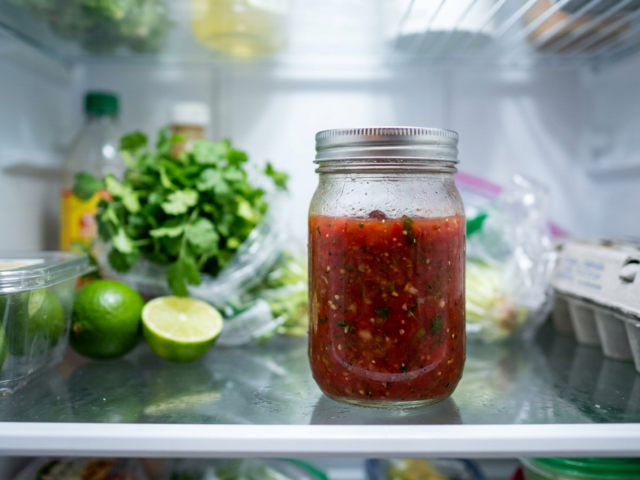
For soft herbs like parsley, cilantro, and dill, treat them like a bouquet of flowers. Trim the bottom of the stems, place them upright in a jar with an inch or two of water, and loosely cover the leaves with a plastic bag. Store the jar in the fridge. The water keeps the stems hydrated, and the bag traps just enough humidity to prevent wilting without causing rot. Change the water every couple of days, and your herbs will last a week to ten days, sometimes longer.
Basil is the one exception. Basil turns black and sad in the cold, so keep your basil jar on the counter at room temperature, away from direct sunlight. It’ll stay vibrant for about a week this way.
For hard herbs like rosemary, thyme, and oregano, the jar method is overkill. Instead, wrap the sprigs loosely in a slightly damp paper towel and place them in a zip-top bag or airtight container in the crisper drawer. The damp towel provides just enough moisture to prevent drying out, and the bag keeps the fridge air from dehydrating them. Hard herbs stored this way can last two to three weeks easily.
One more thing that people often get wrong: don’t wash your herbs until right before you use them. Excess moisture is the number one cause of slimy, rotting herbs. If your herbs came from a farmers market and they’re visibly dirty, give them a gentle rinse and dry them thoroughly with a salad spinner or clean towel before storing. The FDA recommends washing all fresh produce under running water before eating [flag for editor: insert link to FDA’s “Safe Handling of Raw Produce” page], but timing that wash right before use rather than before storage makes a real difference in shelf life.
Cooking with Fresh Herbs: Timing Is Everything
Knowing when to add your herbs is just as important as knowing which ones to use. Get the timing wrong, and you’ll either lose all the flavor or end up with something that tastes like a pine forest.
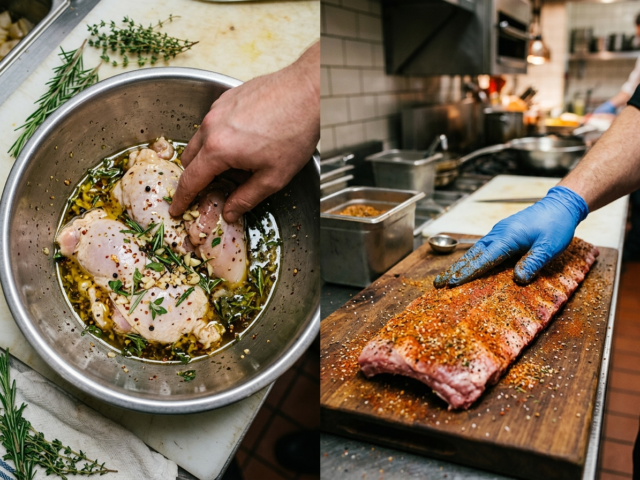
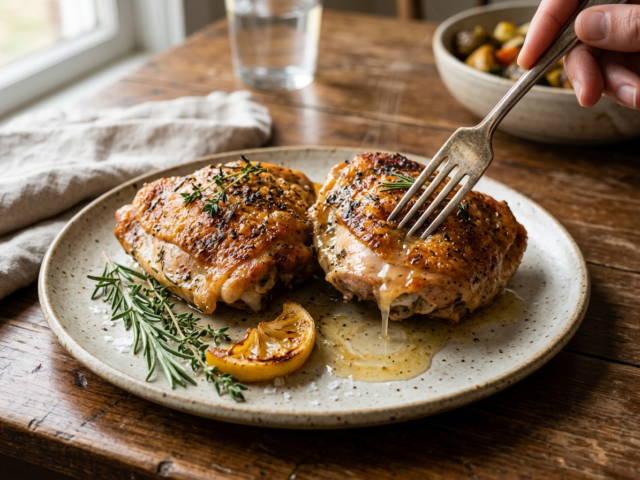
Hard herbs go in early. When you’re sautéing onions for a soup or browning chicken thighs, toss in your thyme sprigs or chopped rosemary during the first few minutes of cooking. The heat and fat will pull out their essential oils and distribute the flavor throughout the dish. This is the same principle behind how acid and fat balance each other in cooking — fat acts as a flavor carrier, and hard herbs need that carrier to do their job. After 20 or 30 minutes of simmering, the rosemary will have mellowed from sharp and piney to warm and savory.
Soft herbs go in late. Stir chopped parsley, cilantro, or basil into your dish during the last minute or two of cooking, or scatter them on top right before serving. If you add basil to a tomato sauce and let it simmer for an hour, the flavor will vanish. The volatile oils that make basil taste like basil are incredibly fragile, and sustained heat destroys them. I learned this the hard way early in my cooking life — I added a handful of fresh basil to a pot of soup at the beginning, confident it would infuse the broth. Forty minutes later, the basil was brown, flavorless, and completely invisible. The soup tasted like nothing had happened. Now I stir it in off the heat, and the difference is night and day.
There’s one useful exception to the “soft herbs at the end” rule. The stems of soft herbs actually have a ton of flavor and can handle more heat than the leaves. Finely chop cilantro or parsley stems and sauté them with your onions and garlic at the start of a recipe. You’ll get a deeper, more rounded herb flavor in the base of the dish, and then you can use the delicate leaves as a fresh finish on top. It’s a small trick, but it adds a layer of complexity that most home cooks miss.
If you’re thinking about how herbs fit into the bigger picture of seasoning, understanding how to layer salt and seasoning will help you build dishes that taste balanced from the first bite to the last.
Don’t Forget Your Dried Spices
This is a guide to fresh herbs and spices, so let’s not ignore the dried side of the equation. Fresh herbs and dried spices are partners, not competitors. Most dishes benefit from both.
Dried spices like cumin, paprika, garlic powder, and chili powder are your workhorses. They’re shelf-stable, affordable, and they provide the deep, warm base notes that fresh herbs can’t deliver on their own. The key to getting the most out of dried spices is to bloom them in hot oil or fat for 30 to 60 seconds before adding any liquid. This quick toast wakes up the flavor compounds and makes them taste more vibrant. If you’ve ever added cumin powder to a pot of chili and wondered why it tasted dusty and flat, this is probably why — it never got the chance to bloom.
A good rule of thumb for substituting between fresh and dried herbs: use one-third the amount of dried herb compared to fresh. So if a recipe calls for one tablespoon of fresh thyme, use one teaspoon of dried. Dried herbs are more concentrated because the water has been removed, so a little goes a long way.
For a deeper look at how to build a spice collection that actually gets used, check out the building blocks of cooking with spices, vinegars, and oils. It covers the pantry staples that pair perfectly with the fresh herbs you’re now buying with confidence.
Frequently Asked Questions
How long do fresh herbs last in the fridge?
Soft herbs like cilantro and parsley typically last 5 to 10 days when stored upright in a jar of water with a loose plastic bag over the top. Hard herbs like rosemary and thyme last 2 to 3 weeks when wrapped in a damp paper towel inside a sealed bag. Basil is the outlier — it lasts about a week at room temperature but turns black in the fridge.
Can I substitute dried herbs for fresh herbs in any recipe?
You can in most cooked dishes, but the swap doesn’t work well for recipes that rely on the fresh, bright flavor of raw herbs. Think of a caprese salad or a chimichurri sauce — dried basil or dried parsley won’t give you the same result. For cooked dishes like soups, stews, and braises, the substitution works fine. Just remember the one-third ratio: one teaspoon dried for every tablespoon fresh.
Should I wash fresh herbs before using them?
Yes. Rinse fresh herbs under cool running water right before you use them, and pat them dry gently with a clean towel or use a salad spinner. Don’t wash them before storing, though — the extra moisture will speed up spoilage. The only exception is if your herbs are visibly muddy from a farmers market, in which case wash and thoroughly dry them before refrigerating.
Your herb drawer doesn’t have to be a graveyard of good intentions. Start with parsley, cilantro, basil, thyme, and rosemary. Store the soft ones in water and the hard ones in a damp towel. Add the woody herbs early and the leafy ones late. That’s genuinely most of what you need to know.
The next time you’re at the store, grab one bunch of something you’ve never cooked with before. Toss it into whatever you’re making for dinner that night. You’ll be surprised how quickly a handful of fresh herbs turns a forgettable meal into something you actually want to eat again tomorrow.