You’ve got burgers sizzling, chicken getting that gorgeous golden skin, and then you look at the bowl of zucchini and bell peppers on the counter. Can you actually throw those on the grill? Short answer: absolutely. Grilling vegetables and fruit is one of the easiest ways to level up your cookout, and most of the produce in your kitchen right now will taste dramatically better after a few minutes over live fire. The trick is knowing which items handle heat well, how to prep them so they don’t turn to mush, and when to pull them off before they cross the line from “beautifully charred” to “sad and blackened.”
Can You BBQ Vegetables? (And Why They Taste Better on the Grill)
Yes, you can BBQ vegetables, and the reason they taste so good comes down to two things: caramelization and smoke.
When you apply high, dry heat to produce, the natural sugars on the surface start to brown. Caramelization kicks in around 320°F for most plant sugars. That’s the same process that makes roasted carrots taste sweeter than raw ones, except the grill adds something your oven simply can’t replicate — real smoke flavor. The combination of sweet, charred edges and that subtle wood-smoke kiss is what makes grilled vegetables taste like a completely different food from their raw or boiled versions.
Here’s a detail most guides skip: vegetables behave very differently from meat on the grill. Meat has fat that renders and bastes the surface as it cooks. Vegetables don’t have that luxury. That means they dry out faster, and they need a little help in the form of oil and attention. If you treat a zucchini the same way you treat a steak — just slap it on and walk away to grab another beer — you’ll end up with something leathery and sad.
The good news is that once you understand a few basic principles, grilling vegetables and fruit is actually more forgiving than meat. You don’t have to worry about hitting a precise internal temperature or resting times. You’re mostly looking for visual cues: grill marks, slight softening, and that golden-brown color on the cut surfaces.
Best Vegetables for the Grill (and How to Prep Each One)
Not all vegetables are created equal when it comes to the grill. The biggest factor is water content. Vegetables with very high water content — think cucumbers or delicate leafy greens — tend to steam and collapse rather than char. The best candidates are sturdy, dense, or at least firm enough to hold their shape over direct heat.
Dense Vegetables That Love Patient Heat
Corn on the cob is the classic BBQ vegetable for a reason. You can grill it in the husk for a gently steamed effect, or shuck it and put it directly on the grates for those gorgeous charred kernels. Either way, corn’s natural sugar content makes it a caramelization machine. Whole potatoes and sweet potatoes also work beautifully, though they need a longer cook time. I like to parboil them for about ten minutes before they hit the grill — this gives you a fluffy interior and a crisp, smoky exterior without a forty-minute wait on the grates.
Eggplant is another great pick, but it has a reputation for turning into a soggy mess. The fix is simple: slice it into thick rounds (at least half an inch), salt both sides, and let the slices sit for fifteen minutes before grilling. The salt draws out excess moisture, which means the eggplant chars instead of steams. Rinse the salt off, pat dry, brush with oil, and grill over medium-high heat.
Portobello mushrooms deserve a mention here too. Their meaty texture and deep umami flavor make them one of the most satisfying things you can put on a grill. Just remove the gills with a spoon (they hold moisture and can turn bitter), brush the caps generously with oil, and grill gill-side down first.
Quick-Cook Vegetables That Need High Heat and a Watchful Eye
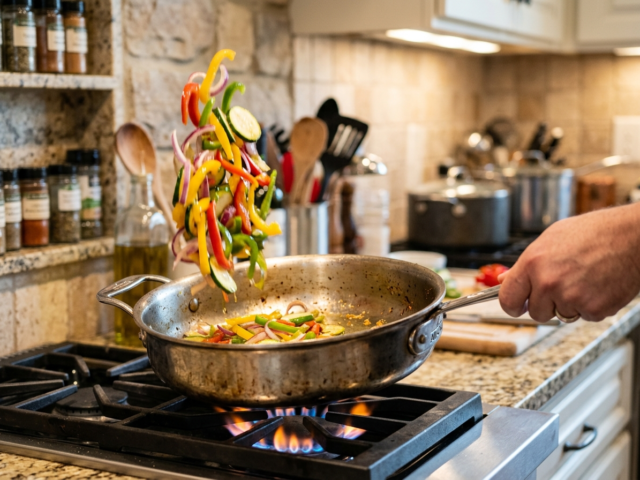
Zucchini, yellow squash, bell peppers, and asparagus all cook fast. We’re talking three to five minutes per side over medium-high to high heat. The key with these is to cut them large enough that they won’t fall through the grates. Halve zucchini lengthwise, leave bell peppers in wide panels, and keep asparagus spears whole. Toss them in a little olive oil and salt right before they go on — not twenty minutes ahead, or the salt will pull out water and make them limp.
Onions are a sleeper hit on the grill. Cut them into thick rounds through the equator so the rings stay connected, brush with oil, and grill until they’re deeply browned and sweet. They pair perfectly with just about any BBQ protein you can think of.
Here’s a quick reference for timing and temperature across the most popular options:
| Vegetable | Cut | Heat Level | Approximate Time |
|---|---|---|---|
| Corn (shucked) | Whole cob | Medium-high | 8–12 min, turning |
| Zucchini | Halved lengthwise | Medium-high | 3–5 min per side |
| Bell peppers | Wide panels | High | 3–4 min per side |
| Asparagus | Whole spears | High | 2–4 min total |
| Eggplant | ½-inch rounds | Medium-high | 4–5 min per side |
| Sweet potato | ¼-inch slices | Medium | 5–7 min per side |
| Portobello mushrooms | Whole caps | Medium | 4–6 min per side |
Grilling Fruit: The Sweet Side of the BBQ
This is where most people get nervous, and I get it. The first time I tried grilling peaches, I used a lukewarm grill and left them on way too long. They turned into warm, sad mush that stuck to every grate they touched. The problem wasn’t the peaches — it was my technique. Fruit needs high heat and short time. You want to caramelize the surface sugars quickly before the interior breaks down and turns to jam on your grates.
Which Fruits Hold Up on the Grill?
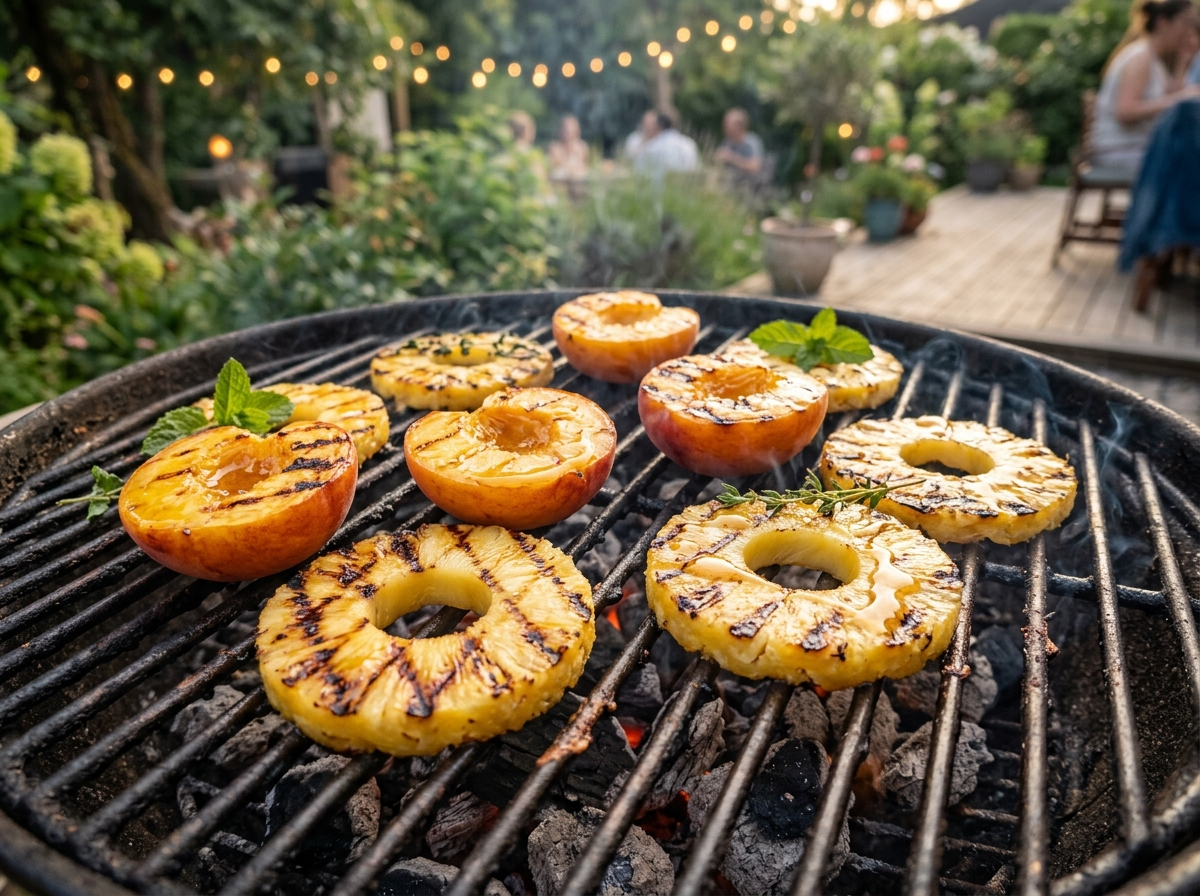
The best fruits for grilling are firm, ripe-but-not-soft stone fruits and tropical varieties. Peaches, nectarines, plums, and apricots are the stars of the show. Pineapple is practically built for the grill — its dense flesh and high sugar content give you those dramatic caramelized rings in just a couple of minutes per side. Watermelon is a surprising winner too; the heat concentrates its sweetness and gives it a meaty, almost savory quality that pairs beautifully with a squeeze of lime and a sprinkle of flaky salt.
Other solid choices include mango halves, bananas (leave the peel on for structure), and even firm pears. Avoid anything very soft or overripe. Strawberries, raspberries, and mushy bananas will fall apart before you can flip them.
How Heat Transforms Fruit Flavor
When you grill fruit, two things happen at the same time. The heat drives off some of the surface water, concentrating the sugars and making the fruit taste sweeter and more intense. Simultaneously, those sugars caramelize, adding toffee-like, slightly bitter notes that balance all that sweetness. The result is a more complex flavor than you’d ever get from eating the same fruit raw.
Grilled pineapple, for instance, tastes almost like candy with a smoky edge. Grilled peaches develop a jammy richness that makes them incredible alongside vanilla ice cream or crumbled over a green salad. If you’re looking for simple grilled fruit recipes to start with, halved peaches with a drizzle of honey and a pinch of cinnamon is about as easy and rewarding as it gets. You can also explore how acid and fat balance flavors to build even more interesting combinations — a squeeze of lime on grilled watermelon is a perfect example of acid brightening up sweetness.
BBQ Veggies Tips: Getting It Right Every Time
Knowing what to grill is half the battle. The other half is technique. Here are the BBQ veggies tips I wish someone had told me years ago, back when I was turning perfectly good bell peppers into charcoal.
Oil, Seasoning, and Heat Management
Always oil your vegetables, not the grill grates. Brushing or tossing produce in a high-smoke-point oil — avocado oil, grapeseed oil, or light olive oil — creates a barrier that prevents sticking and helps conduct heat evenly across the surface. You don’t need a lot; a thin, even coat is plenty. If you’re curious about how different oils behave under heat, understanding the building blocks of cooking oils and spices will help you pick the right one for the job.
For seasoning, keep it simple at first. Kosher salt and freshly cracked black pepper are all most vegetables need. You can always add more flavor after they come off the grill — a squeeze of lemon, a drizzle of balsamic vinegar, a sprinkle of fresh herbs. If you want to go deeper, a dry rub works surprisingly well on hearty vegetables like corn and portobello mushrooms. The same principles that apply to marinades and rubs for meat apply here, just with shorter contact times since produce doesn’t need to tenderize the way a tough cut of brisket does.
Heat management is where most beginners go wrong. Dense vegetables like potatoes and whole eggplant need medium heat and more time. Thin, tender vegetables like asparagus and sliced zucchini need high heat and very little time. If you’re grilling both types at once, start the dense ones first and add the quick-cookers later. And if you’re not sure whether you should be using direct or indirect heat, it helps to understand the difference between grilling and BBQ — most vegetables do best over direct heat, which is the grilling side of the equation.
Avoiding the Most Common Mistakes
The biggest mistake I see is overcrowding the grill. When you pile too many vegetables onto the grates, the temperature drops and the produce starts steaming instead of charring. Give everything room to breathe. You want each piece making direct contact with a hot grate so it can develop those beautiful sear marks.
Another common issue is cutting vegetables too small. Anything smaller than about half an inch is going to fall through the grates or dry out before it gets any color. If you really want to grill small pieces — cherry tomatoes, diced peppers, corn kernels — use a grill basket or thread them onto skewers. A grill basket is one of those tools that seems unnecessary until you use it, and then you wonder how you ever managed without one.
Finally, don’t flip too early. Vegetables need time to develop a sear, just like meat. If you try to move a zucchini half after thirty seconds, it’ll stick and tear. Wait until you see the edges starting to color and the piece releases easily from the grate. That usually takes at least two to three minutes on a properly heated grill. Patience pays off here.
Pairing Grilled Produce With Your BBQ Spread
Grilled vegetables and fruit aren’t just side dishes — they can be the bridge that ties your whole BBQ spread together. Think about how the flavors interact with what’s already on the plate.
Grilled corn with a smear of butter and a dusting of chili powder is a natural partner for smoked chicken or pulled pork. Charred bell peppers and onions make a fantastic topping for burgers and tacos. Grilled pineapple cuts through the richness of low-and-slow smoked meats with its bright acidity and sweetness — the same reason coleslaw works, but with more drama and a lot less mayo.
If you’re serving grilled fruit as a dessert, keep the rest of the plate simple. A halved peach straight off the grill with a scoop of ice cream doesn’t need anything else. But if you want to get a little fancy, grilled watermelon with feta, fresh mint, and a balsamic drizzle is the kind of thing that makes people stop mid-conversation and ask what they’re eating. Learning a few simple plating techniques can make even a humble grilled zucchini look restaurant-worthy on the plate.
One practical note on food safety: once you’ve cut your produce, don’t let it sit out in the sun for hours before grilling. Cut fruits and vegetables are perishable, and the temperature danger zone applies to them just as much as it does to meat. Keep prepped produce refrigerated until you’re ready to grill, and don’t leave cooked vegetables out for more than two hours (one hour if it’s above 90°F outside). According to the USDA, cut produce left in warm temperatures can harbor harmful bacteria just as readily as animal proteins.
Disclaimer: The food safety information above is general guidance based on USDA recommendations. For specific food safety concerns, consult your local health authority or a food safety professional.
Frequently Asked Questions About Grilling Vegetables and Fruit
Can you BBQ vegetables without a grill basket?
Yes, you absolutely can. A grill basket is helpful for small or thin pieces like cherry tomatoes, diced onions, or green beans, but most vegetables do perfectly fine directly on the grates. The trick is to cut them large enough that they won’t fall through — think halves, thick rounds, or wide planks. Asparagus spears, corn cobs, halved zucchini, and portobello caps are all sturdy enough to handle the grates on their own. If you do find yourself losing pieces to the fire, a simple sheet of heavy-duty aluminum foil with a few holes poked in it works as a makeshift basket in a pinch.
What temperature should I grill vegetables at?
Most vegetables do best at medium-high heat, which is roughly 375°F to 450°F on a gas grill. You want the grates hot enough to create char marks within a few minutes but not so hot that the outside burns before the inside softens. Dense vegetables like potatoes and whole eggplant benefit from slightly lower heat (medium, around 350°F) so they can cook through without scorching. Delicate items like asparagus and thin pepper strips can handle high heat (450°F+) because they cook so quickly that burning isn’t much of a risk.
Do grilled fruits and vegetables need to be oiled before grilling?
Yes, and this is non-negotiable if you want to avoid sticking. Brush or toss your produce in a thin layer of high-smoke-point oil before it hits the grates. Avocado oil and grapeseed oil are great choices because they can handle the heat without smoking or burning. The oil also helps conduct heat evenly, which gives you better browning and more consistent texture. The only partial exception is fruit with very high sugar content like pineapple — the sugars themselves create a natural non-stick layer once they caramelize, though a light brush of oil still helps during those first few seconds of contact.
Can I grill frozen vegetables?
Technically yes, but the results won’t be great. Frozen vegetables release a lot of water as they thaw on the grill, which means they steam instead of char. You’ll end up with soggy, pale produce rather than the caramelized, smoky results you’re after. If frozen vegetables are all you have, thaw them completely first, pat them very dry with paper towels, and then grill over high heat. But honestly, you’ll get much better results with fresh produce, so save the frozen stuff for a stir-fry.
So next time you fire up the grill, don’t just think about the meat. Grab a couple of zucchinis, halve a few peaches, and throw some corn on the grates alongside your burgers. The charred, smoky, slightly sweet results will make you wonder why you ever limited your BBQ to protein alone. Start with one or two vegetables you already enjoy eating, keep the heat high and the cook time short, and let the fire do the heavy lifting. Your grill is more versatile than you think — go use it.