
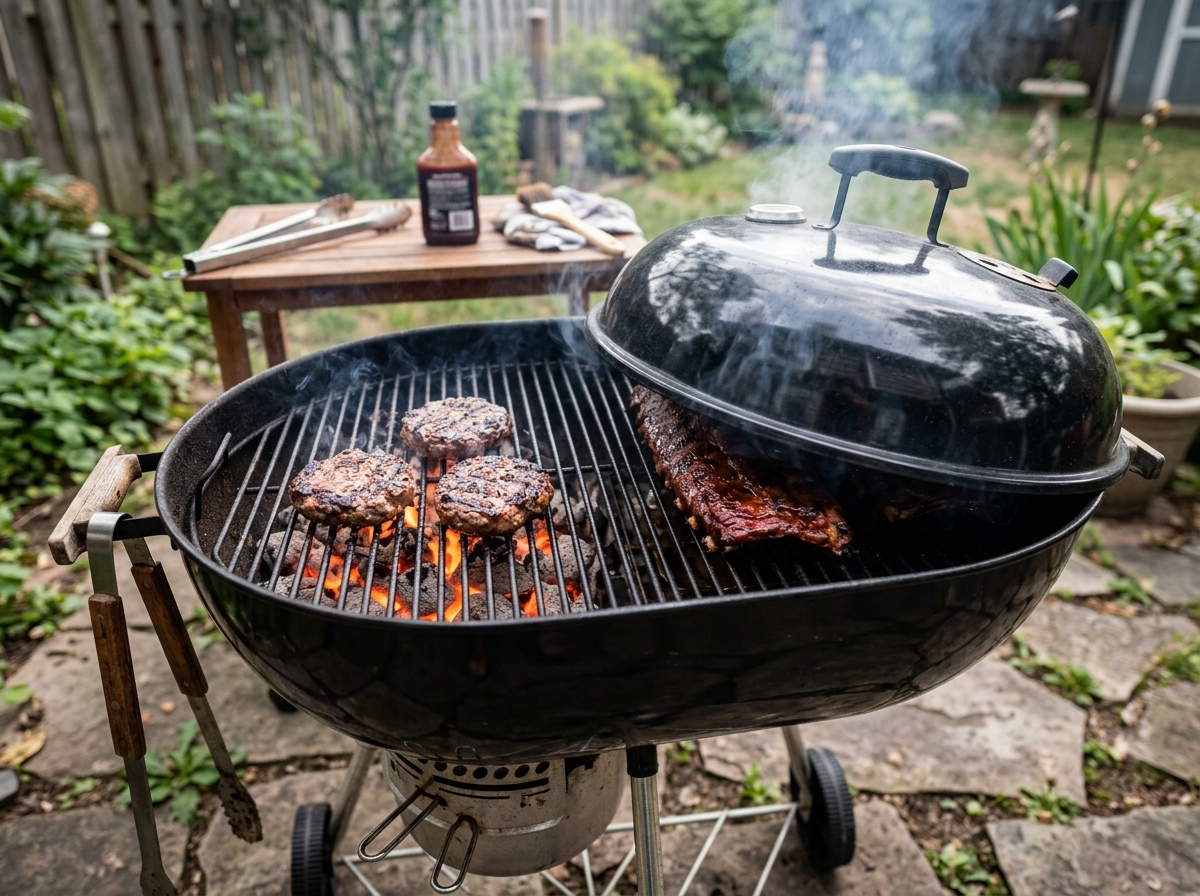
You fire up the grill on a Saturday afternoon, throw on some burgers, and tell your friends you’re “having a BBQ.” Nobody corrects you. The burgers are great. Everyone’s happy. But if you said that same sentence in front of a pitmaster from central Texas, you’d get a look that could melt cheese.
Here’s the thing: grilling and barbecue are not the same thing. They use different heat, different timing, different cuts of meat, and honestly, a completely different mindset. Most people use the words interchangeably, and in casual conversation, that’s totally fine. But if you want to actually understand what’s happening on your cooker — and get better results because of it — the distinction matters more than you’d think.
Let’s break down the grilling vs BBQ difference once and for all, without the snobbery.
The Short Answer: Grilling vs BBQ Difference
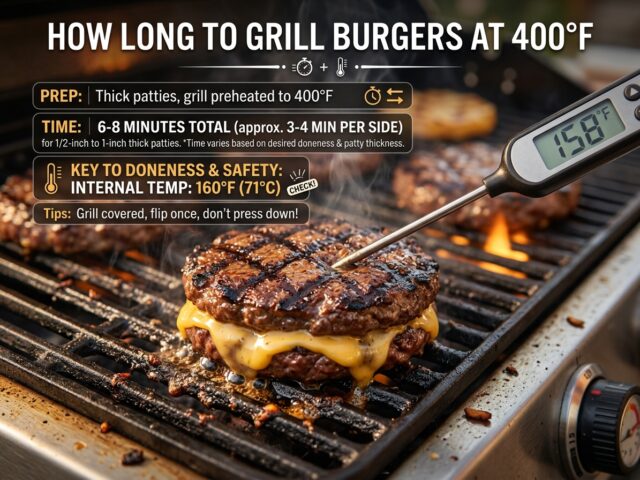
Grilling is hot and fast. You cook food over direct, high heat — usually between 400°F and 550°F — for a relatively short time. Think steaks, burgers, hot dogs, chicken breasts, and vegetables. The goal is a good sear on the outside while keeping the inside juicy.
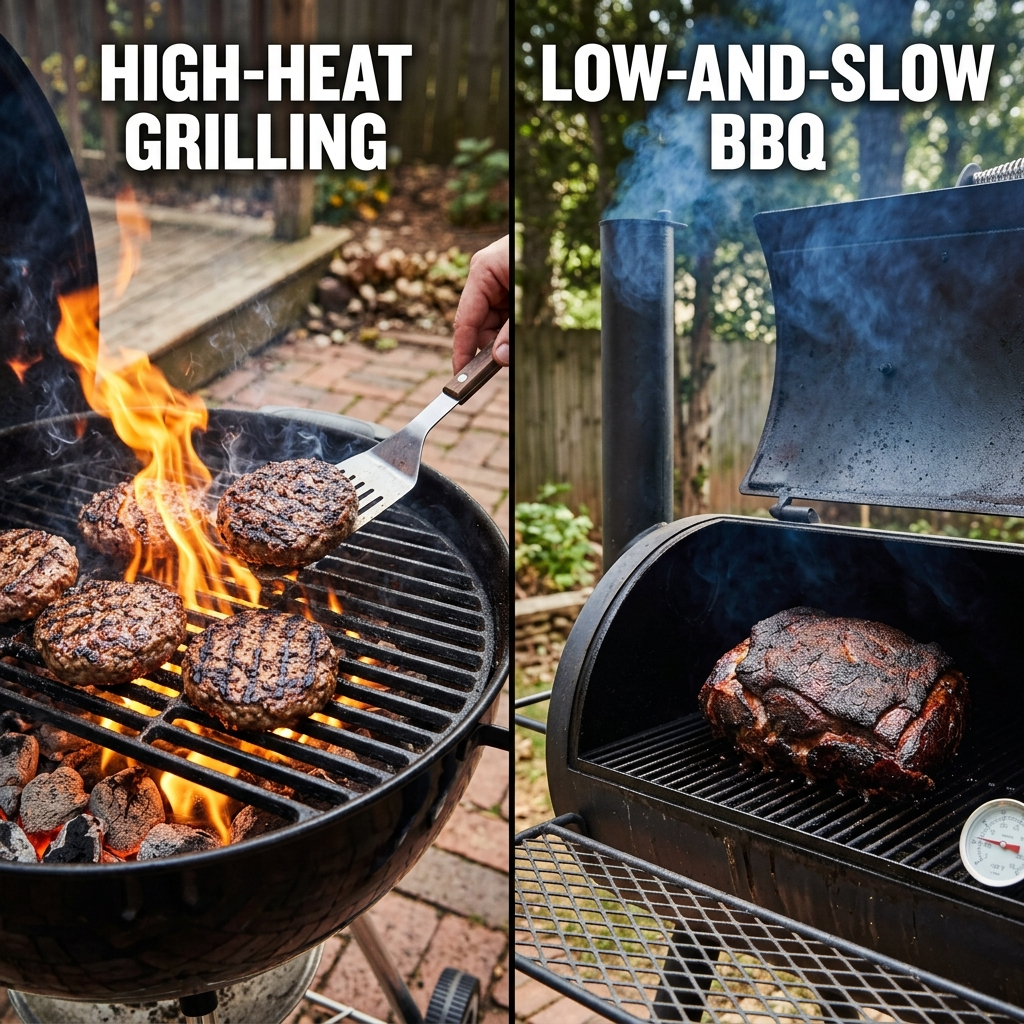
Barbecue is low and slow. You cook food over indirect heat at much lower temperatures — typically 225°F to 275°F — for many hours. Think brisket, pork shoulder, ribs, and whole hog. The goal is to slowly break down tough connective tissue until the meat becomes impossibly tender, while layering in wood smoke flavor the entire time.
That’s the core of the grilling vs barbecue explained in two sentences. Everything else — the equipment, the wood, the regional styles, the passionate arguments — branches out from this basic split.
One quick note on language. In much of the world, “BBQ” just means cooking outdoors. In the American South and among serious pitmasters, “barbecue” is a specific cooking method, and calling a grilled hot dog “BBQ” is practically a firing offense. Neither usage is wrong in its own context. But knowing the technical difference helps you make better decisions about what to cook and how.
Grilling Explained: Hot, Fast, and Direct
When you grill, you’re using direct heat. The food sits right above the flame or the hot coals, and the heat radiates upward into the meat. This is the cooking method most of us grew up with, and it’s the reason your backyard cookout can go from “fire up the grill” to “dinner’s ready” in under thirty minutes.
What You’re Actually Doing When You Grill
The high heat triggers something called the Maillard reaction — a chemical process where amino acids and sugars on the surface of the meat react to create that gorgeous brown crust and the deep, savory flavors we associate with a great steak. You can’t get a proper Maillard reaction at 225°F. You need serious heat, and you need it fast.
Grilling is also a relatively hands-on process. You’re flipping, moving food to cooler zones, watching for flare-ups, and making constant adjustments. Walk away from a hot grill for five minutes and you might come back to charcoal briquettes where your chicken used to be.
If you want a deeper look at how this high-heat approach works at the muscle-fiber level, this breakdown of hot and fast meat cooking basics walks through exactly what’s happening inside the meat when you crank the heat.
Best Foods for Grilling
Grilling works best with cuts that are already tender and don’t need hours of coaxing. You want meats that cook quickly and benefit from a charred exterior. Steaks like ribeye and strip, burgers, hot dogs, chicken breasts and thighs, pork chops, shrimp, fish fillets, and vegetables like corn, zucchini, and bell peppers are all ideal candidates. These are foods that would dry out or overcook if you left them on low heat for hours. They need a blast of heat, a quick sear, and then they’re done.
BBQ Explained: Low, Slow, and Smoky
Now let’s talk about real barbecue — the kind that makes people line up at 6 AM outside a smokehouse in Lockhart, Texas.
When you barbecue, you’re using indirect heat. The fire or the heat source is off to the side, and the food cooks in a chamber filled with warm, smoky air. You’re essentially running a very controlled, very smoky oven. The temperatures hover between 225°F and 275°F, and the cook times stretch from four hours for a rack of ribs to fourteen or more hours for a full packer brisket.
The Science Behind Low and Slow
Why go to all this trouble? Because the toughest, most flavorful cuts of meat — brisket, pork shoulder, beef ribs — are loaded with collagen, a tough connective tissue that makes them chewy and unpleasant if you cook them quickly. But when you hold these cuts at a low temperature for many hours, something remarkable happens. The collagen slowly converts into gelatin, which is what gives properly cooked BBQ that silky, melt-in-your-mouth texture.
This transformation doesn’t happen quickly. Collagen starts to break down around 160°F internal temperature, but the process takes time — hours of it. Rush it with high heat, and you’ll end up with meat that’s technically “done” by USDA standards but tough as a boot. This is exactly why low and slow cooking is the foundation of all great barbecue.
There’s also the famous BBQ stall, a frustrating period during long cooks where the internal temperature of the meat seems to plateau for hours. It’s caused by evaporative cooling on the meat’s surface, and it’s one of those things that drives first-time pitmasters absolutely crazy until they understand the science behind it. If you’ve ever watched a brisket sit at 165°F for three hours and thought your thermometer was broken, this explanation of the BBQ stall will save your sanity.
And then there’s bark — that dark, flavorful crust that forms on the outside of smoked meats. It’s a combination of the rub, smoke particles, and the Maillard reaction happening slowly over many hours. Building good bark is one of the things that separates great BBQ from mediocre BBQ, and understanding how bark forms will change the way you approach your next long cook.
Best Cuts for Real BBQ
Barbecue is built for the tough, fatty, inexpensive cuts that grilling would ruin. Beef brisket is the undisputed king of Texas BBQ. Pork shoulder and Boston butt are pulled pork territory. Spare ribs and baby back ribs are the backbone of Memphis and Kansas City traditions. Beef short ribs, whole hog (the Carolina way), and even smoked turkey all shine when given the low-and-slow treatment. These cuts are cheap at the butcher counter but become extraordinary when you give them the time and smoke they need.
Key Differences Between Grilling and BBQ at a Glance
If you’ve been skimming and just want the quick comparison, here’s the grilling vs bbq difference laid out side by side.
| Feature | Grilling | BBQ |
|---|---|---|
| Heat type | Direct | Indirect |
| Temperature | 400°F–550°F+ | 225°F–275°F |
| Cook time | Minutes to under an hour | 4 to 16+ hours |
| Best cuts | Tender, quick-cooking | Tough, collagen-rich |
| Smoke flavor | Minimal | Central to the flavor |
| Lid position | Often open for searing | Always closed |
| Hands-on level | High — constant attention | Low — patience and monitoring |
| Fuel | Gas, charcoal, or electric | Charcoal and wood (or wood alone) |
The biggest takeaway here is that grilling is about speed and surface flavor, while BBQ is about patience and deep transformation. They’re solving completely different problems in the backyard.
Can You Do Both on the Same Cooker?
The answer is yes, but with some caveats.
A standard charcoal kettle grill, like the classic Weber, can absolutely do both. For grilling, you spread the coals evenly and cook directly over them. For BBQ, you push all the coals to one side, place a drip pan on the other side, put the meat over the pan, and close the lid. You’ve just created a two-zone setup that gives you indirect heat and lets you add wood chunks for smoke. It takes more attention to manage the temperature, but plenty of award-winning BBQ has come off humble kettle grills.
Gas grills are great for grilling but harder to use for real BBQ. You can set up indirect heat by turning off the burners on one side, but maintaining a steady 225°F on a gas grill is tricky, and getting meaningful smoke flavor requires a smoker box or foil pouch of wood chips. It works in a pinch, but it’s not ideal.
Dedicated smokers — offset smokers, pellet grills, ceramic cookers like the Big Green Egg — are built for BBQ first. Many of them can also grill at high temperatures, though some do it better than others. A pellet grill, for example, can smoke a brisket at 225°F and then crank up to 500°F for searing steaks, which makes it a genuinely versatile option if you want one cooker that does everything.
The real question is what you cook most often. If you’re a weeknight burger-and-chicken person who occasionally wants to smoke ribs on a Sunday, a good charcoal grill with a two-zone setup is all you need. If you’re dreaming about brisket and pulled pork on a regular basis, investing in a dedicated smoker will make your life a lot easier.
Regional BBQ Styles Worth Knowing
One of the most fun parts of understanding real barbecue is discovering just how regional it is. The grilling vs bbq difference is universal, but what counts as BBQ changes dramatically depending on where you are in the United States.
In Central Texas, BBQ means beef — specifically brisket — rubbed with nothing more than salt and pepper and smoked over post oak for 12 to 16 hours. No sauce. The meat speaks for itself.
In the Carolinas, BBQ means pork. Eastern North Carolina goes whole hog with a thin vinegar-and-pepper sauce. Western North Carolina (Lexington style) uses pork shoulder with a vinegar-and-ketchup “dip.” South Carolina adds a mustard-based sauce to the mix, thanks to its German immigrant heritage.
Kansas City is the melting pot of BBQ. Burnt ends, ribs, pulled pork, smoked chicken — all of it, usually slathered in a thick, sweet, tomato-based sauce. If you’ve bought “BBQ sauce” at a grocery store, it’s probably Kansas City style. The Kansas City Barbeque Society is one of the largest BBQ sanctioning bodies in the country, and their competition standards have shaped how many Americans think about what “real” BBQ should taste like.
Memphis is all about ribs, served either “wet” (sauced) or “dry” (rubbed with spices and served without sauce). Memphis also gave us the pulled pork sandwich, which is one of the greatest things humans have ever put between two pieces of bread.
Understanding these regional traditions helps explain why the question “is bbq the same as grilling” gets such a passionate answer from people who grew up in these areas. To them, BBQ isn’t just a cooking method. It’s a cultural identity.
A Note on Food Safety
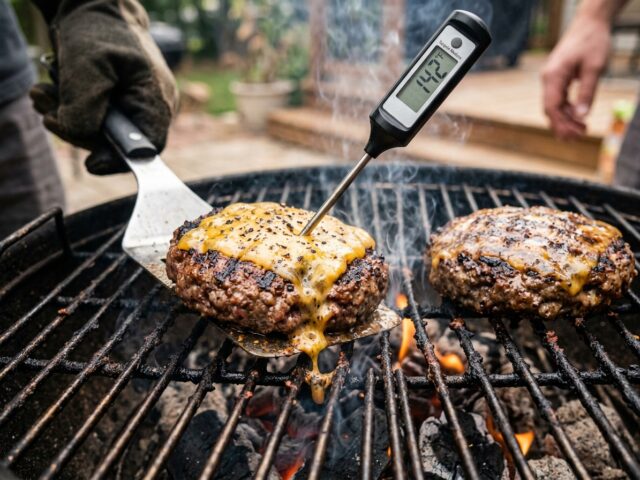
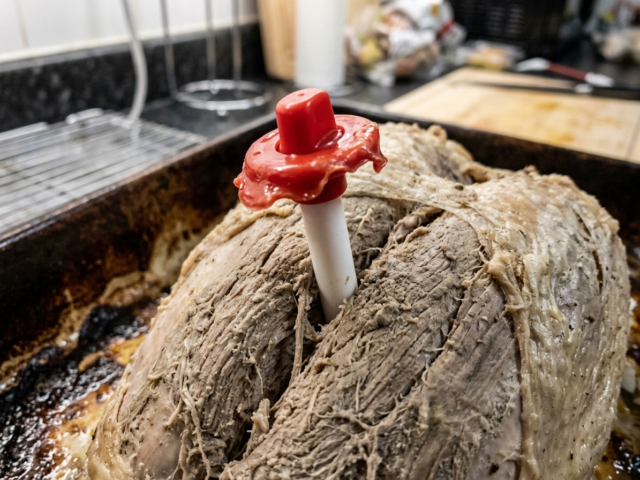
Whether you’re grilling or smoking, internal temperature matters more than cook time. The USDA recommends cooking poultry to 165°F, ground meats to 160°F, and whole cuts of pork and beef to at least 145°F with a three-minute rest. For BBQ, though, you’ll often pull meat at much higher internal temperatures — brisket is typically done around 200°F to 205°F — because you need that extra heat and time to fully render the fat and break down the collagen.
This is general food safety information and not a substitute for professional guidance. Always use a reliable meat thermometer and follow current USDA guidelines for safe food handling.
If you want to understand exactly what heat does to muscle fibers at different stages of a cook, this deep dive into how heat affects meat is a great companion read.
Frequently Asked Questions
Is BBQ the same as grilling?
No. Grilling uses high, direct heat for a short time, while BBQ uses low, indirect heat for many hours. The confusion comes from the fact that most people call their outdoor grill a “BBQ,” and in casual conversation, the terms overlap. But technically, throwing burgers on a hot grill is grilling, not barbecuing. Real BBQ involves smoke, low temperatures, and long cook times that transform tough cuts of meat into something tender and deeply flavored.
Can you BBQ on a regular grill?
Yes, with some adjustments. A charcoal grill works best for this because you can set up a two-zone fire — coals on one side, meat on the other — and add wood chunks for smoke. Gas grills can do indirect cooking too, but they struggle to maintain the low, steady temperatures that real BBQ requires. If you’re serious about smoking meat regularly, a dedicated smoker or pellet grill will give you much better results with less fuss.
What’s the difference between BBQ and smoking?
Smoking is the technique at the heart of BBQ, but the terms aren’t perfectly interchangeable. “Smoking” refers to any cooking method that uses wood smoke for flavor, including cold smoking (which doesn’t cook the food at all — think smoked salmon or smoked cheese). “BBQ” specifically refers to hot smoking tough cuts of meat at low temperatures until they’re tender. So all BBQ involves smoking, but not all smoking is BBQ.
The next time someone asks you the difference between grilling and BBQ, you won’t have to shrug and say “same thing, right?” You know better now. Grilling is your weeknight hero — fast, hot, and perfect for tender cuts that need a good sear. BBQ is your weekend project — slow, smoky, and transformative in a way that grilling simply can’t replicate.
The best part? You don’t have to pick a side. Some of the best cookouts start with smoked ribs that have been going since dawn and finish with grilled corn and burgers over the hot coals while the brisket rests. So fire up whatever cooker you’ve got, pick the right method for the cut in your hand, and enjoy the process. That’s what outdoor cooking is really about.

6 Comments