
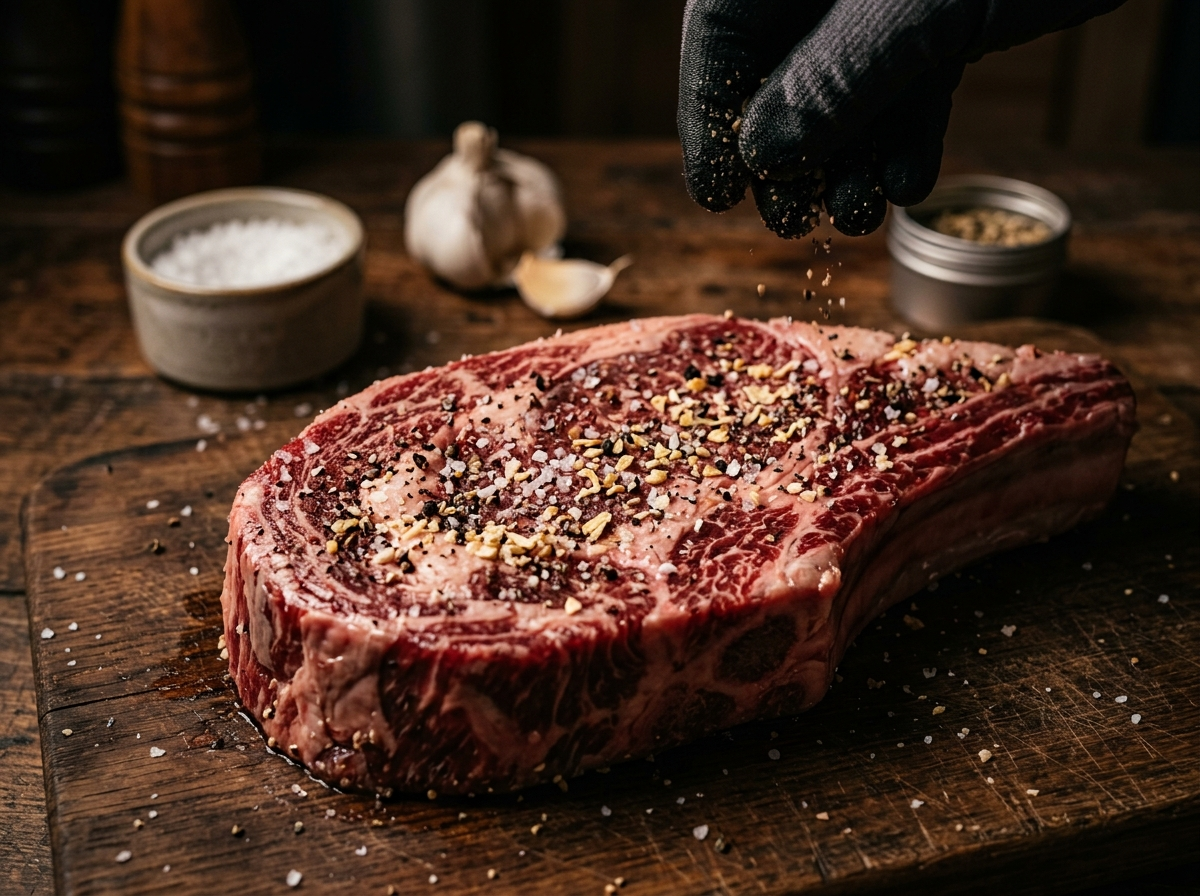
You’re watching a BBQ video. The pitmaster pulls out an unmarked shaker, coats a massive brisket, and casually says, “Just SPG.” No fancy rub. No 15-ingredient secret blend. Just three letters. If you’ve been wondering what is SPG seasoning and why half the BBQ world treats it like gospel, you’re in the right place. The answer is simpler than you think — and once you understand it, you’ll probably start using it on everything.
What Does SPG Stand For?
SPG stands for salt, pepper, and garlic. That’s the whole list. Three ingredients you almost certainly have sitting in your kitchen right now. In the BBQ world, SPG is a dry rub — a simple seasoning blend you apply directly to the surface of meat before cooking.
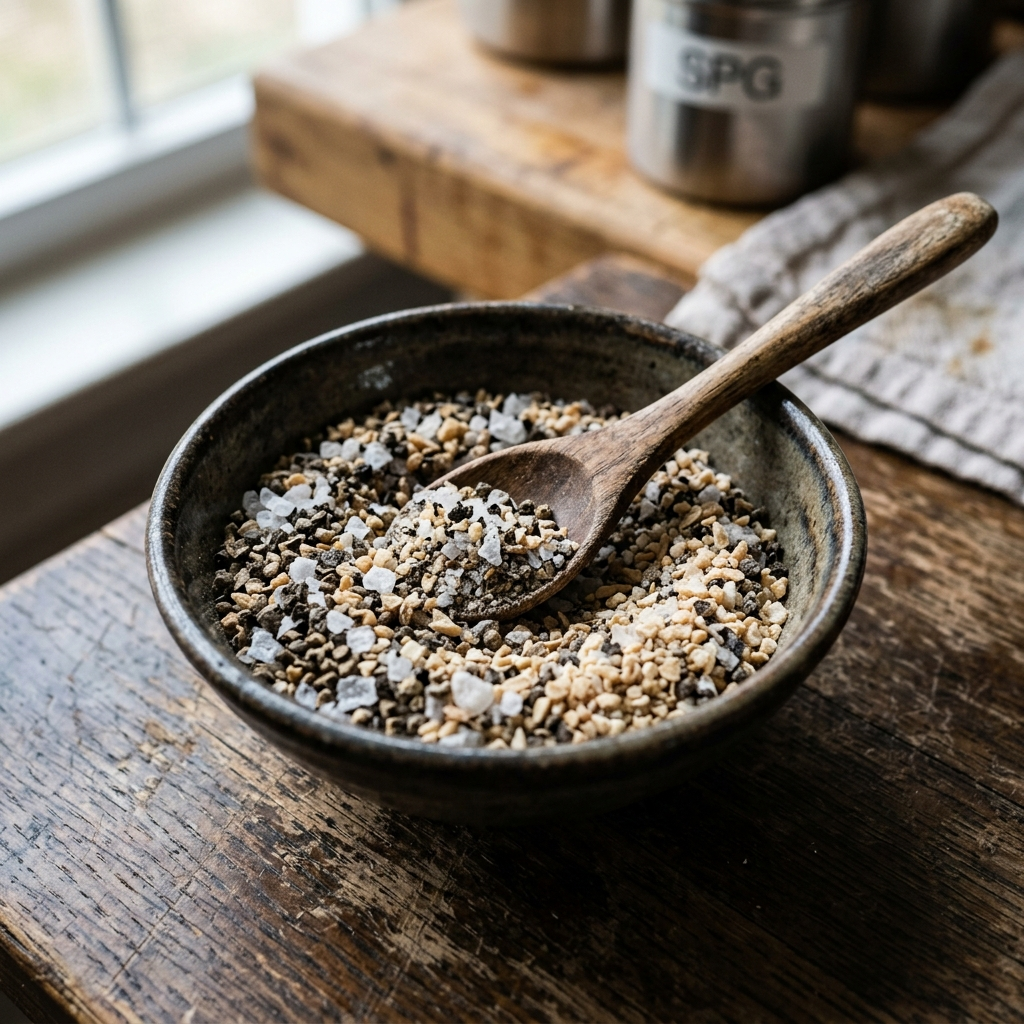
The blend became popular in the Texas brisket tradition, where pitmasters learned a hard lesson early on: high-quality beef doesn’t need much help. A heavy hand with complex spice blends can actually mask the flavor of good meat rather than enhance it. A simple salt pepper garlic seasoning lets the beef taste like beef.
SPG is closely related to what’s called a “Dalmatian rub,” which is just salt and coarse black pepper. The name comes from the black-and-white speckled look it creates on the meat’s surface. Adding garlic to that base gives you SPG, which rounds out the flavor with a savory, umami-rich layer that salt and pepper alone can’t quite deliver.
Why These Three Ingredients Work So Well Together
Each ingredient in SPG plays a specific role. Understanding why they work together will help you use the blend more effectively — and adjust it when you need to.
Salt: The Flavor Amplifier
Salt doesn’t just make food taste salty. It actually amplifies the flavors already present in whatever you’re cooking. When you coat a steak or a brisket with salt, it draws moisture to the surface, dissolves, and then gets reabsorbed into the meat over time. This process seasons the meat from the inside out, not just on the surface.
Salt also helps break down muscle proteins, which improves texture and moisture retention during long cooks. That’s why a brisket salted the night before cooks up juicier than one salted right before it hits the smoker. If you want to understand the deeper mechanics of how salt interacts with meat at different stages, our guide to seasoning fundamentals and salt breaks it all down.
Black Pepper: More Than Just Heat
Coarse black pepper brings a sharp, woody bite that cuts through the richness of fatty cuts like brisket and pork shoulder. But pepper does more than add heat. The volatile oils in freshly cracked pepper — especially a compound called piperine — interact with your taste receptors in a way that makes other flavors seem more pronounced. Think of pepper as the ingredient that wakes everything else up.
For BBQ specifically, coarse-ground pepper also contributes to bark formation. Those little granules create texture on the surface of the meat, and as they toast during a long smoke, they develop a deep, almost coffee-like flavor that you just can’t get from fine table pepper.
Garlic: The Savory Backbone
Garlic is where the real magic happens. It adds a layer of savory, umami-rich depth that bridges the gap between the sharpness of salt and the heat of pepper. When garlic hits heat, its flavor transforms — the raw, pungent bite mellows into something sweeter and more rounded.
On a smoked brisket or a grilled chicken thigh, granulated garlic creates a subtle crust that adds complexity without overpowering the meat. If you’re curious about how umami works as a flavor category and why it makes food taste so satisfying, our piece on umami flavor in cooking explains the science behind it.
The Best SPG Seasoning Recipe (And Why Ratios Matter)
The beauty of this SPG seasoning recipe is its simplicity, but the ratio you choose makes a real difference in the final flavor. There’s no single “correct” version, but there is a starting point that most pitmasters agree on.
A good baseline uses equal parts salt, pepper, and granulated garlic by volume. That means one tablespoon of each, mixed together in a jar. This 1:1:1 ratio gives you a balanced blend where no single ingredient dominates, and it works well as an all-purpose seasoning for almost anything you’d throw on the grill.
But here’s where real-world experience kicks in. If you’re cooking a heavily marbled cut like a packer brisket, you might want to lean heavier on the salt and pepper and dial back the garlic slightly. A 2:2:1 ratio (two parts salt, two parts pepper, one part garlic) lets the beef flavor shine while the garlic plays a supporting role. On the flip side, if you’re seasoning chicken or pork — proteins with milder flavors — the equal-parts ratio works beautifully because the garlic adds a welcome punch that these meats can handle.
Choosing the Right Salt
The type of salt you use changes everything about this blend. Kosher salt is the standard for SPG because its larger flakes distribute more evenly and are harder to over-apply. Table salt is much denser by volume, so if you substitute it for kosher salt in a 1:1:1 recipe, your blend will taste significantly saltier than you intended.
Pro Tip: If you only have table salt on hand, cut the salt portion in half and taste the blend before applying it to your meat. You can always add more, but you can’t take it off once it’s on.
For a deeper look at which salt works best for different cooking situations, our breakdown of the right salt for the right job covers the practical differences between kosher, sea, and table salt.
Granulated Garlic vs. Garlic Powder
This is a detail most SPG articles skip, and it matters more than you’d think. Granulated garlic has a coarser texture, similar to fine sand. Garlic powder is ground to a flour-like consistency. On a hot grill or smoker, garlic powder burns faster because its tiny particles have more surface area exposed to direct heat. Burnt garlic powder turns bitter, and that bitterness will come through in your finished meat.
Granulated garlic holds up better to heat and gives you a more consistent flavor throughout a long cook. For quick-cooking applications like a weeknight stir-fry or a fast sear on a steak, garlic powder is perfectly fine. For BBQ and anything spending more than 20 minutes on heat, go granulated every time.
[Note: The burn-point difference between garlic powder and granulated garlic is well-documented in food science literature. Garlic powder begins to scorch at lower temperatures due to its finer particle size. For a detailed reference, see the flavor chemistry sections in Harold McGee’s “On Food and Cooking.” — Verify specific page reference before publishing.]
How to Use SPG Rub for BBQ and Beyond
SPG on Brisket and Beef
An SPG rub for BBQ brisket is the gold standard in Central Texas for a reason. A thick coat of SPG on a packer brisket, applied the night before and left uncovered in the fridge, gives the salt time to penetrate deep into the meat. By the time that brisket hits the smoker the next morning, the seasoning is working from the inside out. The pepper and garlic form the foundation of the bark — that dark, flavorful crust that’s the hallmark of great BBQ.
If you want to understand exactly how that crust develops during a long smoke and what role each ingredient plays, our guide to BBQ bark and how to build it walks through the process step by step.
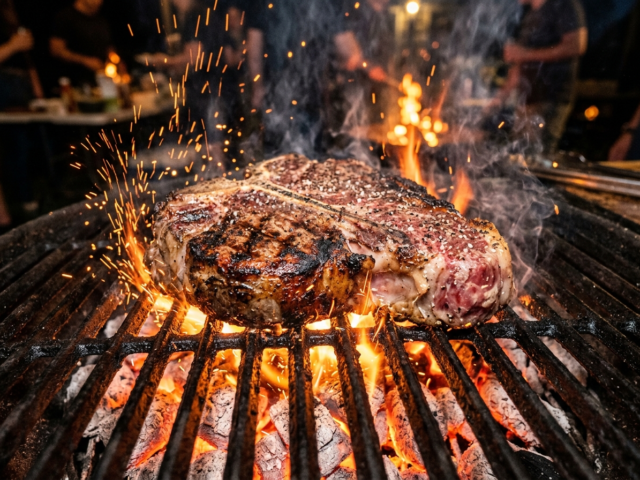
For steaks, keep it simpler. A generous coat of SPG right before the steak hits the grill is all you need. The high heat of a direct sear will toast the pepper and garlic quickly, creating a flavorful crust in minutes.
SPG on Chicken and Pork
Chicken thighs and pork shoulder both respond well to SPG, though you might want to add a binder — a thin layer of yellow mustard or a light coat of oil — to help the rub stick to the surface. Chicken skin, in particular, can be slippery, and without a binder your seasoning may slide right off during the first hour of the cook.
The equal-parts 1:1:1 ratio works great here because chicken and pork benefit from the extra garlic flavor. These are milder proteins, so the garlic doesn’t compete — it complements.
Everyday Kitchen Uses
You don’t need a smoker to put SPG to work. This blend is a fantastic all-purpose seasoning for roasted vegetables, scrambled eggs, popcorn, homemade croutons, and even avocado toast. Keep a small shaker on your kitchen counter and you’ll find yourself reaching for it more often than any other spice blend. It’s the kind of simple upgrade that makes home cooking taste like it came from a restaurant kitchen.
If you’re building out a collection of homemade blends beyond SPG, our guide to DIY spice blends covers how to scale up recipes, customize ratios, and store them properly.
SPG vs. Other Popular Rubs
SPG often gets compared to a few other common rubs, and the differences are worth understanding so you know when to reach for which one.
A Dalmatian rub is the closest relative — it’s just salt and coarse black pepper, usually in a 50/50 ratio. Think of SPG as a Dalmatian rub with garlic added. The garlic gives SPG a broader flavor profile, which is why many home cooks prefer it as a daily driver over the two-ingredient version.
Store-bought BBQ rubs like Meat Church Holy Cow or Killer Hogs tend to include sugar, paprika, onion powder, and a long list of other spices. These blends are designed to create a specific flavor profile and a dark, caramelized bark. They work well, but they also add sweetness and complexity that can compete with the natural flavor of your meat. SPG takes the opposite approach. It enhances without masking.
Here’s a quick comparison to help you decide:
| Rub Type | Key Ingredients | Best For | Flavor Profile |
|---|---|---|---|
| SPG | Salt, pepper, garlic | Brisket, steaks, all-purpose | Clean, savory, balanced |
| Dalmatian | Salt, pepper | Beef brisket, prime rib | Sharp, peppery, simple |
| Store-bought BBQ rub | Salt, sugar, paprika, spices | Ribs, pork shoulder, chicken | Sweet, smoky, complex |
If you’re working with high-quality beef and want the meat to be the star, SPG is your best bet. If you’re cooking ribs or pulled pork and want that classic sweet-and-smoky BBQ flavor, a more complex rub makes more sense. And if you’re curious about when a dry rub outperforms a marinade (and vice versa), our piece on marinade vs. rub clears up the confusion.
Storing Your SPG Blend
Once you’ve mixed your SPG, store it in an airtight glass jar or a plastic shaker with a tight lid. Keep it in a cool, dark place — a pantry shelf away from the stove works perfectly. Heat and light degrade the volatile oils in both the pepper and the garlic, which means your blend will lose potency over time if it’s sitting in direct sunlight or right next to a hot oven.
A properly stored SPG blend will stay fresh and flavorful for about six months. After that, it won’t go bad or become unsafe to eat, but the pepper will lose its sharp bite and the garlic will taste flat. If you cook often, you’ll probably burn through a batch well before the six-month mark. A good rule of thumb is to mix up a fresh batch every few months so you’re always working with peak flavor.
Frequently Asked Questions
What is the best ratio for SPG seasoning?
The most common starting point is equal parts salt, pepper, and granulated garlic by volume (1:1:1). This balanced ratio works well on almost any protein. For beef-heavy BBQ like brisket, many pitmasters shift to a 2:2:1 ratio to let the meat’s natural flavor take center stage. Start with equal parts, taste the result, and adjust from there based on your preference.
Can I use SPG seasoning on fish and seafood?
You can, but go easy. Fish and shrimp have delicate flavors that garlic and coarse pepper can easily overpower. If you want to try SPG on seafood, use a very light dusting and consider reducing the garlic to a quarter part. A simple salt-and-pepper approach usually works better for delicate proteins like white fish or scallops.
Is SPG seasoning the same as Lawry’s Seasoned Salt?
No. Lawry’s Seasoned Salt contains salt, sugar, paprika, turmeric, onion, and garlic, among other ingredients. It’s a more complex blend with a distinctly yellow color and a sweeter flavor profile. SPG is just three ingredients — salt, pepper, and garlic — with no sugar, no paprika, and no fillers. They serve different purposes in the kitchen.
Do I need to apply SPG the night before cooking?
For large cuts like brisket or pork shoulder, applying SPG the night before and refrigerating the meat uncovered gives the salt time to penetrate deeply, which improves both flavor and moisture retention. For thinner cuts like steaks, chicken breasts, or burgers, applying the rub 30 to 60 minutes before cooking is plenty of time.
SPG seasoning proves that great flavor doesn’t require a complicated ingredient list. Three pantry staples, mixed in the right ratio, can transform everything from a 14-hour brisket to a Tuesday night plate of scrambled eggs. Mix up a batch this weekend, try it on your next cook, and pay attention to how the flavor shifts depending on the protein and the heat. You might just find that the simplest rub becomes the one you use the most.

2 Comments