Picture this. You pull a beautiful ribeye off a screaming-hot grill, and the crust is dark, crackly, and gorgeous. You slice into it, and the inside is a perfect rosy medium-rare. That’s hot and fast cooking at its best. Now picture the opposite: you tried the same blazing heat on a pork shoulder, and two hours later the outside is charred to a crisp while the inside is still tough and chewy. Same heat, totally different results.
The difference isn’t luck. It comes down to understanding which cuts of meat benefit from high heat and which ones need patience. If you’ve ever stood in front of a hot grill wondering whether you’re doing the right thing, this guide will clear it up.
What Does “Hot and Fast” Actually Mean?
Hot and fast cooking means exposing meat to high temperatures — typically 400°F and above for direct grilling, or 300–350°F for the hot and fast BBQ method — for a relatively short time. You’re cooking with intense, direct heat to build a flavorful crust on the outside while keeping the inside juicy and tender.
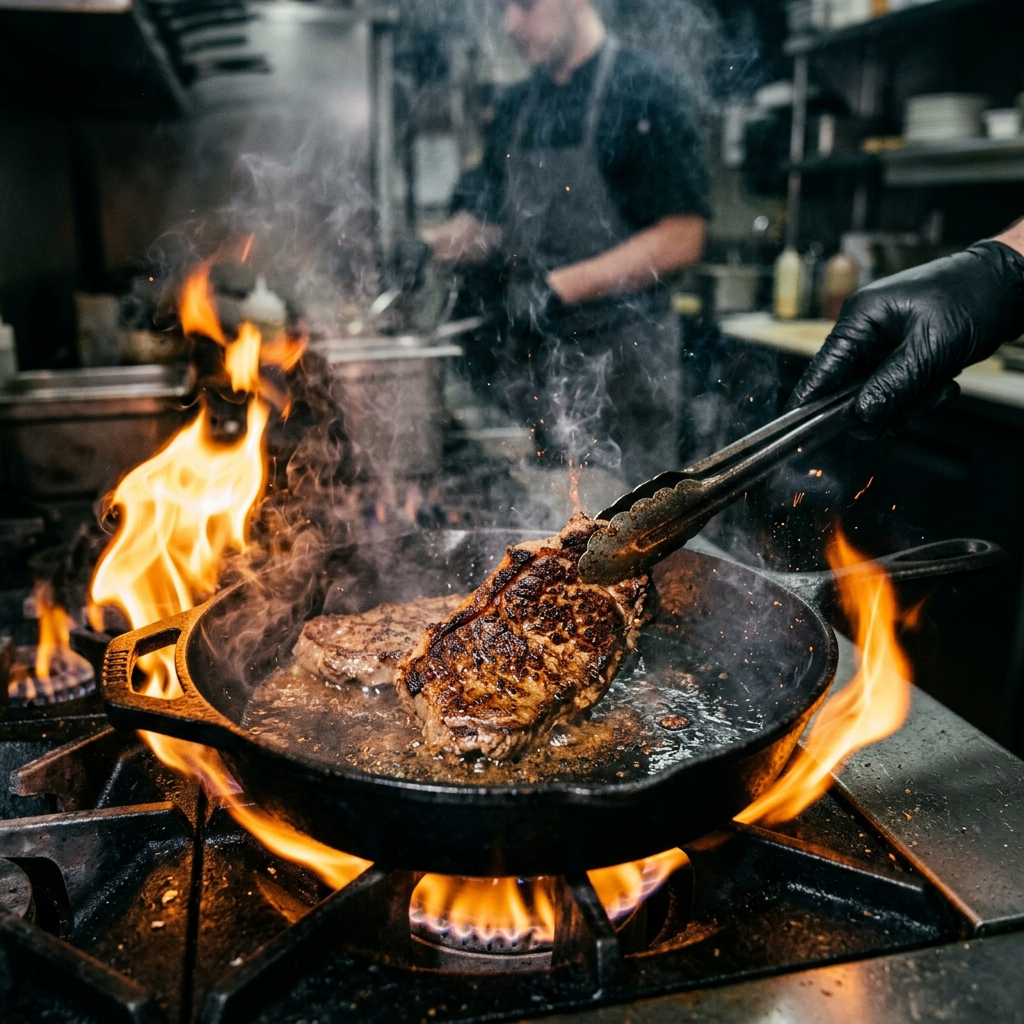
Think of it as the opposite of low and slow cooking, which gently breaks down tough cuts over many hours. Hot and fast is all about speed, sear, and preserving the natural texture of already-tender meat.
A simple definition: hot and fast cooking is a high-heat method best suited for tender cuts of meat that don’t need long cooking times to become palatable.
The Science Behind Hot and Fast Cooking
To really understand when to cook meat hot and fast, you need to know what heat actually does to meat at the molecular level. Two big players are at work here: the Maillard reaction and the very different ways muscle fibers and connective tissue respond to heat.
The Maillard Reaction and Why Searing Matters
When the surface of meat hits roughly 280–330°F, a chemical reaction kicks in between amino acids and sugars on the meat’s surface. This is the Maillard reaction, and it’s responsible for that deeply savory, browned crust you crave on a steak or a burger. It simply doesn’t happen at low temperatures. You need real heat to trigger it, which is exactly why hot and fast cooking produces such incredible flavor on the outside of the meat.
This is also why a gentle, low-temperature cook will never give you that gorgeous brown exterior. The surface never gets hot enough for the reaction to occur. You can have tender meat without a crust, or you can have a crust without overcooking the inside — but only if you use high heat and manage your timing carefully.
Muscle Fibers vs. Connective Tissue
Here’s where things get interesting and where most home cooks go wrong. Meat is made up of muscle fibers (the actual meat you chew) and connective tissue (the collagen that holds everything together). These two components react to heat very differently, and understanding this is the key to knowing when to cook meat hot and fast.
Muscle fibers start to contract and squeeze out moisture around 120–140°F. The hotter they get, the tighter they squeeze. Cook a tender cut like a filet mignon to 160°F and it’ll taste like a shoe, no matter how much you paid for it. That’s why you want to cook tender cuts hot and fast — you blast the outside to build flavor while keeping the internal temperature low enough that the muscle fibers stay relaxed and juicy. For a more detailed look at what’s happening inside the meat, our piece on how heat affects muscle fibers in meat explains the science in plain language.
Connective tissue is a completely different story. Collagen doesn’t start to break down into silky gelatin until the meat’s internal temperature reaches about 160°F, and the process really accelerates above 180°F. This takes time. You can’t rush it with high heat. If you try to cook a collagen-heavy cut like brisket at 500°F, the outside will burn long before the inside has had time to tenderize.
When to Cook Meat Hot and Fast (The Best Cuts)
Now that you know the “why,” let’s talk about the “what.” These are the cuts that genuinely shine under high heat.
Steaks and Chops
This is classic hot and fast territory. Ribeye, strip, filet mignon, T-bone, pork chops, lamb chops — these cuts come from muscles that don’t do a lot of heavy lifting on the animal, so they’re naturally tender and low in connective tissue. They don’t need hours of cooking to become chewable. They just need a hard sear and a quick trip to your target internal temperature.
For a steak that’s about an inch thick, you’re looking at roughly 3–5 minutes per side over direct heat at 450–500°F. Pull it when your instant-read thermometer hits about 10°F below your target doneness, because carryover cooking will keep raising the internal temperature while the steak rests on the cutting board.
Chicken Pieces
Chicken is a bit trickier because you’re dealing with both white and dark meat, and they cook at different rates. But hot and fast is still the right call for most chicken pieces.
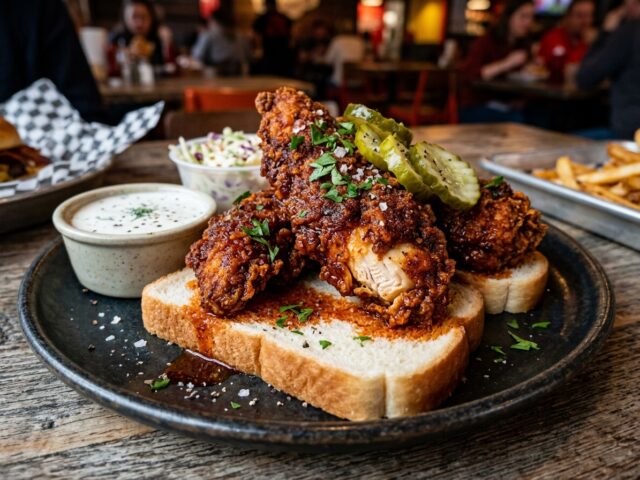
Chicken thighs and drumsticks have more fat and connective tissue than breasts, so they can handle slightly longer cook times at high heat without drying out. Wings are small and cook quickly, which makes them perfect for a hot grill or a blazing oven. Chicken breasts are lean and will dry out fast if you overcook them, so you want high heat to sear the outside quickly and then pull them the moment they hit 165°F internally.
A good approach is to grill chicken pieces over direct medium-high heat (around 375–425°F), flipping once, until the internal temperature is safe. The high heat gives you color and flavor without spending so much time on the grill that the meat dries out.
Burgers and Ground Meat
Ground beef is already broken down mechanically, so there’s no connective tissue to worry about melting. What you want from a burger is a crusty, caramelized exterior and a juicy interior, and that only happens with high heat. Get your grill or griddle ripping hot — 450°F or above — and cook your patties for about 3–4 minutes per side for medium. Don’t press down on them with your spatula. You’ll just squeeze out the juices you’re trying to keep.
Seafood and Thin Cuts
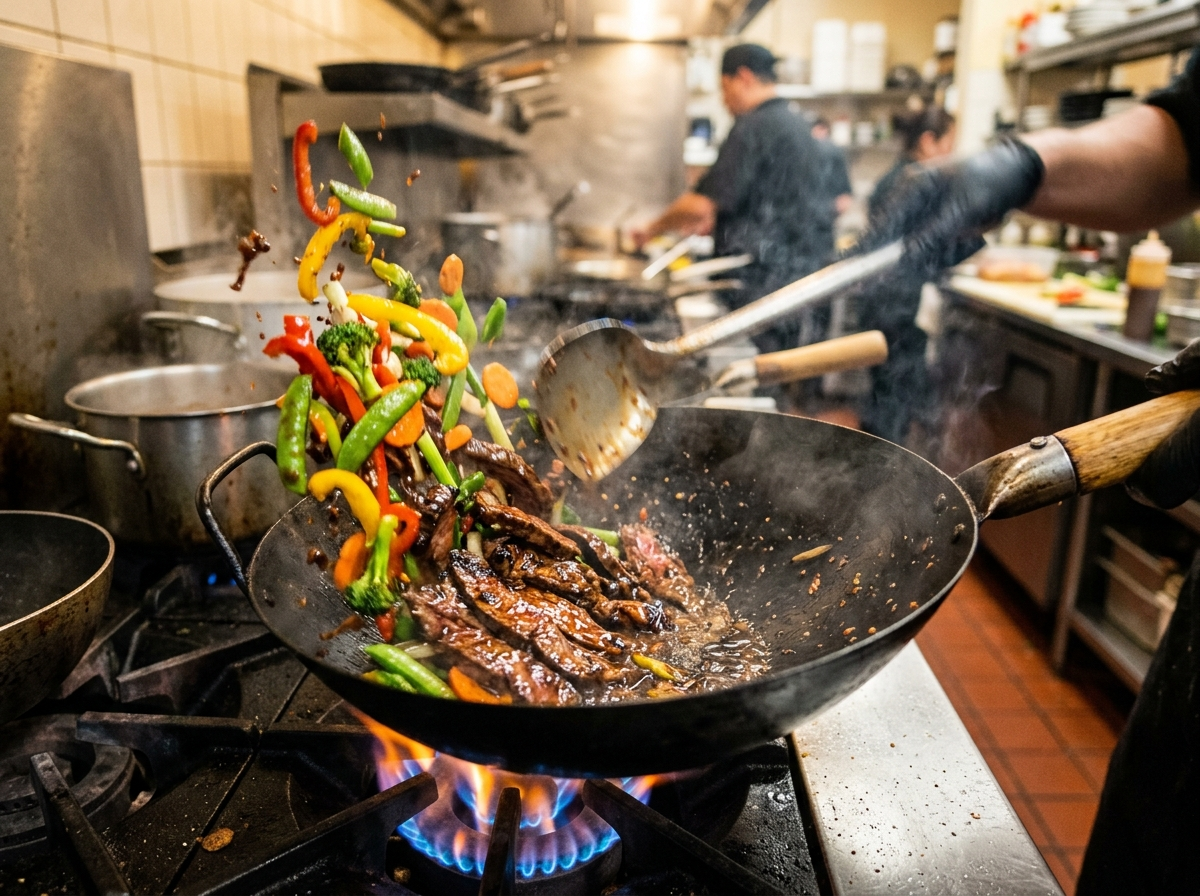
Fish fillets, shrimp, scallops, and thin-cut meats like skirt steak or flank steak are all strong hot and fast candidates. They’re thin enough that a low temperature would overcook them before you get any browning at all. A screaming-hot pan or grill gives you color and flavor in the 60–90 seconds per side that these cuts actually need.
When Hot and Fast Will Ruin Your Meat
Knowing when not to use high heat is just as important as knowing when to use it. Here’s where hot and fast will let you down hard.
Brisket, Pork Shoulder, and Ribs
These are the tough, collagen-rich cuts from muscles that work hard on the animal — the chest, the shoulder, the rib cage. They’re loaded with connective tissue that needs hours of gentle heat to transform into tender, melt-in-your-mouth gelatin. If you throw a whole packer brisket on a 500°F grill, you’ll end up with a burnt hockey puck on the outside and raw, chewy meat on the inside. No amount of seasoning will save it.
These cuts belong in the low and slow camp, typically at 225–275°F for anywhere from 6 to 16 hours depending on the size. The low temperature gives the collagen time to dissolve without overcooking the muscle fibers.
The Connective Tissue Problem
The core issue is a timing mismatch. At high heat, the muscle fibers in a tough cut will overcook and dry out long before the collagen has a chance to break down. At low heat, the collagen slowly converts to gelatin while the muscle fibers stay relatively relaxed. It’s a race between two different chemical processes, and high heat makes the wrong one win every time.
Hot and Fast BBQ Method: Can You Speed Up Smoking?
Here’s where things get a little nuanced, because the answer is actually yes — sort of. And it’s worth understanding the difference between grilling and true BBQ before we go further, because the hot and fast BBQ method blurs the line a bit.
The hot and fast BBQ method has gained serious traction in the competition and backyard smoking world over the last decade. Instead of smoking a brisket at the traditional 225–250°F for 12–16 hours, pitmasters crank the smoker to 300–350°F and finish in roughly 5–7 hours. The results can be genuinely excellent, with a darker bark and a slightly different texture that many people prefer.
So why does this work if we just said brisket needs low heat? Because 300–350°F is still moderate enough for the collagen to break down over several hours. You’re not blasting it at 500°F. You’ve just shortened the timeline by raising the temperature within a range that still allows the connective tissue to do its thing. The meat still spends hours in that crucial 160–200°F internal temperature window where collagen converts to gelatin.
There is a real trade-off, though. The window for “perfect” is narrower with hot and fast. At 225°F, you have a lot of margin for error — the meat spends a long time in the ideal zone, so being off by 30 minutes isn’t a disaster. At 325°F, things move faster, and a 30-minute distraction can push your brisket from perfect to overcooked. If you’re new to smoking, start low and slow until you’ve built some intuition, then experiment with the hot and fast BBQ method once you’re comfortable reading your meat.
One interesting side note: if you’ve ever dealt with the dreaded stall — that frustrating period where your brisket’s internal temperature seems to freeze around 160°F for hours — the hot and fast method can power through it more quickly. We have a full breakdown of the BBQ stall and why it happens if you want to understand the physics behind it.
Practical Tips for Nailing Hot and Fast Every Time
Getting great results with hot and fast cooking isn’t complicated, but a few small details make a huge difference between a good cook and a great one.
Start with dry meat. Pat your steaks, chops, or chicken pieces dry with paper towels before they hit the heat. Surface moisture is the enemy of a good sear because the heat has to evaporate the water before browning can begin. That steaming phase wastes time and energy, and you end up with gray, steamed meat instead of a crispy crust.
Preheat your cooking surface aggressively. Whether you’re using a cast iron skillet, a gas grill, or charcoal, give it at least 10–15 minutes to come up to full temperature. A lukewarm pan will never give you the Maillard reaction you’re after. You should hear an immediate, violent sizzle the moment the meat touches the surface. If you don’t, pull the meat off and wait.
Don’t overcrowd the pan or grill. When you pack too many pieces together, the temperature drops and moisture gets trapped. You go from searing to steaming, and all that beautiful browning disappears. Cook in batches if you need to. Your patience will pay off in the crust.
Use a thermometer, not a timer. Timers are suggestions at best. The only reliable way to know when your meat is done is to check the internal temperature with an instant-read thermometer. According to the USDA’s food safety guidelines, the minimum safe internal temperatures are 145°F for whole cuts of beef, pork, and lamb (with a 3-minute rest), 160°F for ground meats, and 165°F for all poultry. For tender cuts cooked hot and fast, you’ll often pull the meat a few degrees below the final target since carryover heat will bring it up during resting.
Food Safety Note: The internal temperature guidelines above come from the USDA and represent minimum safe temperatures to reduce the risk of foodborne illness. This is general information and not a substitute for professional food safety guidance. Always use a calibrated thermometer and follow current USDA recommendations, especially when cooking for children, elderly individuals, pregnant people, or anyone with a compromised immune system.
Let it rest. This is the step most people skip, and it’s the one that makes the biggest difference. When you pull a steak off a hot grill, the juices are bunched up in the center of the meat, squeezed there by the contracting muscle fibers. If you cut into it immediately, those juices will flood out onto your plate and leave you with dry meat. Give it 5–10 minutes to rest, and the fibers relax enough to redistribute the moisture throughout the cut. We go into the full science of why resting meat matters if you want the details, but the short version is: resting is not optional.
Season simply and early. For hot and fast cooking, you don’t need complicated marinades. A generous coating of salt and pepper applied at least 40 minutes before cooking (or right before, but not in the awkward 10–30 minute window in between) is all you need. The salt draws out moisture initially, then gets reabsorbed along with the dissolved proteins, which actually helps with browning and flavor.
Frequently Asked Questions
What temperature is considered hot and fast for grilling?
For direct grilling of steaks, chops, and burgers, hot and fast means a grill surface temperature of 450–550°F. For the hot and fast BBQ method in a smoker, it typically means running the pit at 300–350°F. Both approaches are “hot and fast” relative to their category — direct grilling is hotter and faster than indirect grilling, and 325°F smoking is hotter and faster than traditional 225°F smoking. The right temperature depends on what you’re cooking and the method you’re using.
Can you cook brisket hot and fast?
Yes, you can. Many competition pitmasters, including advocates like Meathead Goldwyn of AmazingRibs.com, have documented excellent results smoking brisket at 300–350°F and finishing in 5–7 hours instead of the traditional 12–16. The key is that even at 325°F, the brisket still spends several hours in the internal temperature range where collagen breaks down. The trade-off is a smaller margin for error, so it’s a technique best attempted after you’ve built confidence with low and slow brisket.
Why does my chicken dry out when I grill it on high heat?
The most common reason is overcooking, not the high heat itself. Chicken breast is very lean and goes from juicy to dry in a matter of minutes once it passes 165°F internally. High heat is actually the right approach — it sears the outside quickly — but you need to pull the chicken the moment it reaches temperature. Use a thermometer, not guesswork, and consider brining your chicken beforehand to add a moisture buffer that gives you a little more wiggle room.
Is hot and fast better than low and slow?
Neither method is universally better. They serve different purposes. Hot and fast is ideal for tender cuts that need a good sear and a quick cook — steaks, chops, burgers, chicken pieces, seafood. Low and slow is essential for tough, collagen-rich cuts like brisket, pork shoulder, and ribs. The best cooks know when to use each method rather than defaulting to one or the other. Matching the method to the cut is the real skill.
The next time you fire up the grill or preheat your skillet, take a second to look at the cut of meat in front of you. Is it tender and lean, or tough and marbled with connective tissue? That one quick assessment will tell you whether to crank the heat or dial it back. Hot and fast cooking isn’t a shortcut — it’s the right tool for the right job, and when you match the method to the meat, the results speak for themselves. Start with a simple ribeye or a batch of chicken thighs this weekend, keep your thermometer close, and trust the heat.