
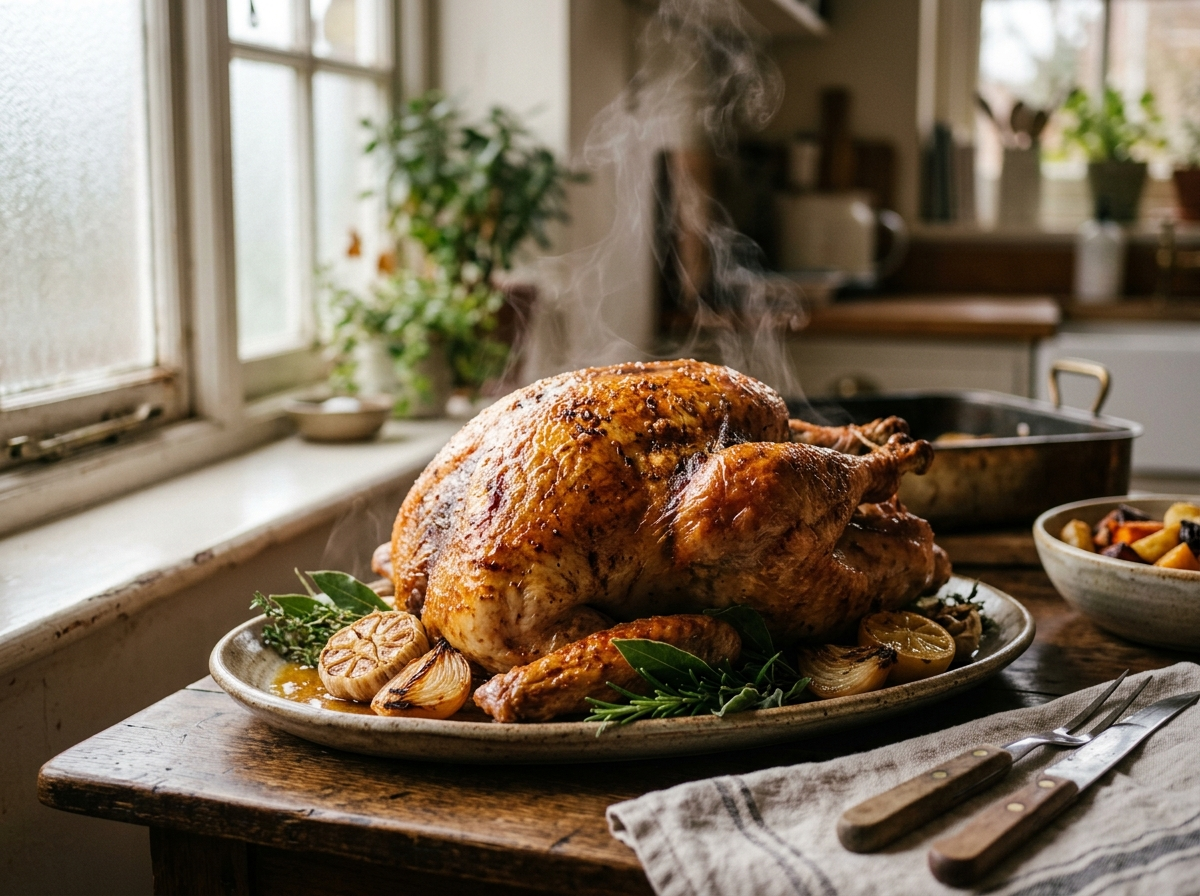
You just pulled a beautiful steak off the grill. It’s got that perfect crust, it smells incredible, and everyone at the table is staring at it. Your instinct screams “cut into it right now.” But every recipe you’ve ever read tells you to wait. So you stand there, tongs in hand, wondering if this resting thing is real or just something chefs say to sound fancy.
It’s real. And the reason is simpler than you think.
Resting meat after cooking is the single easiest thing you can do to keep your food juicy. No special equipment, no extra ingredients — just a little patience. Let me walk you through exactly what’s happening inside that piece of meat and why those few quiet minutes make such a big difference on the plate.
What Actually Happens Inside Meat When It Cooks
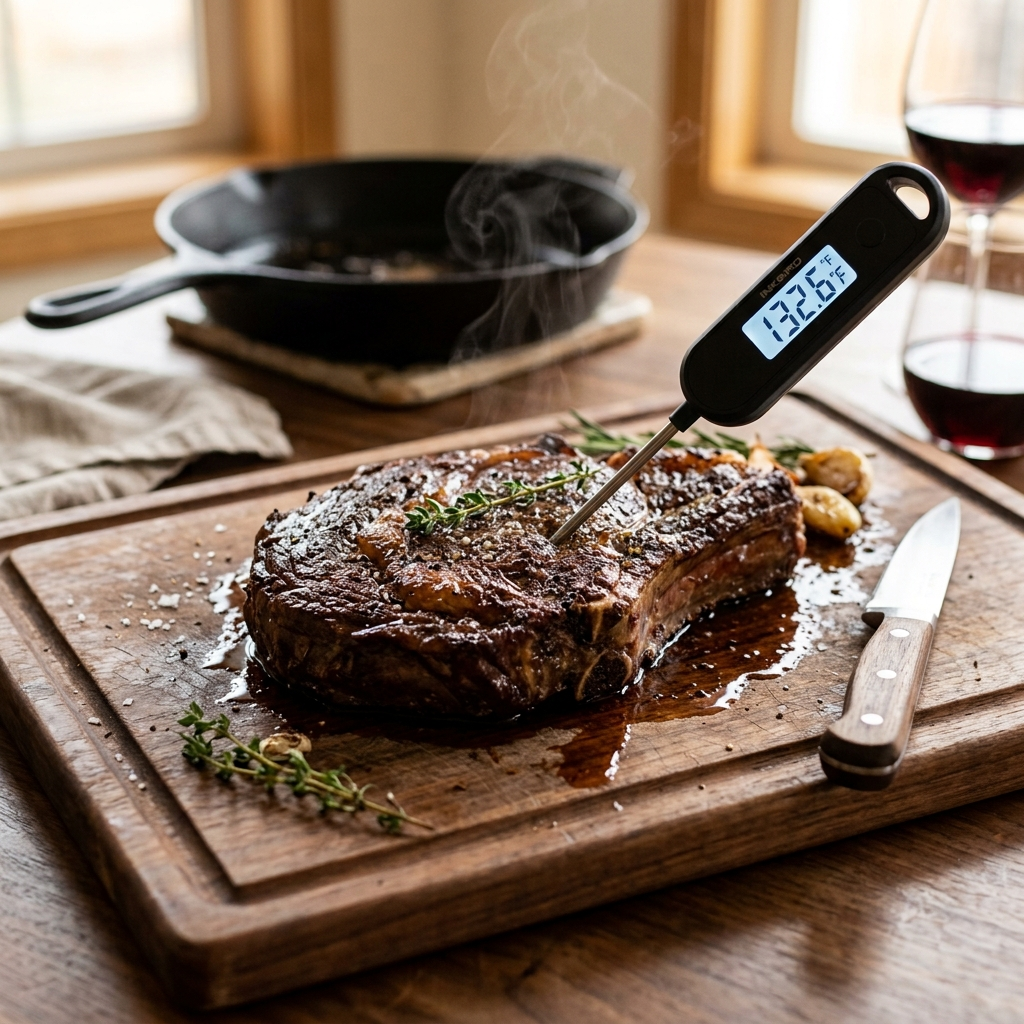
To understand why resting meat matters, you need to know what heat does to meat in the first place.
Meat is mostly water held inside tiny muscle fibers. Think of them like bundles of microscopic straws packed with liquid. When you apply heat, those fibers tighten up and squeeze. The hotter the meat gets, the harder they squeeze, pushing moisture toward the center of the cut.
This is why a well-done steak is drier than a medium-rare one. More heat means more squeezing, which means less moisture hanging around where you actually want it — evenly distributed throughout every bite.
If you want a deeper look at the mechanics, how heat affects muscle fibers in meat breaks down the science in plain language. The short version is this: cooking forces moisture to the middle, and resting gives it time to spread back out.
Why Resting Meat Matters for Juiciness
Here’s the moment that changed how I cook. Years ago, I grilled a thick ribeye for a dinner party. I was proud of the sear, so I sliced it the second it hit the cutting board. A pool of red liquid flooded the board almost immediately. The steak looked gorgeous for about five seconds, then turned dry and gray on the inside. My guests were polite, but I knew I’d messed up.
The next time, I forced myself to wait ten minutes. Same steak, same grill, same seasoning. When I finally cut into it, almost no liquid escaped. Every single bite was noticeably juicier. That’s when the “rest your meat” advice stopped sounding like a polite suggestion and started sounding like a hard rule.
The Science of Juice Redistribution
When you take meat off the heat, the muscle fibers don’t instantly relax. They’re still contracted from the cooking process, still squeezing. If you cut into the meat right away, all that moisture that got pushed to the center has an easy escape route — straight out through the cut and onto your board.
Give it a few minutes, though, and the fibers start to loosen up. The temperature evens out from the hot center to the cooler edges. As the fibers relax, they reabsorb some of that moisture, and the juices redistribute throughout the entire cut. When you finally slice it, the liquid stays inside the meat instead of running away.
America’s Test Kitchen ran a well-known experiment on this exact question. They cooked identical steaks and sliced one immediately while letting the other rest. The un-rested steak lost roughly five times more juice on the cutting board than the rested one. That’s not a small difference — that’s the gap between a steak that tastes rich and one that tastes like expensive cardboard.
What Happens If You Skip the Rest
Nothing catastrophic. Your food won’t be ruined, and your family won’t stage an intervention. But you will lose more moisture than you need to, and the texture won’t be as tender. For a thin weeknight chicken breast, you might not notice much. For a thick-cut steak or a slow-smoked brisket, skipping the rest is a real waste of all the effort you put into the cook.
Think of it this way: you spent time, money, and attention getting the meat to the right temperature. Resting is how you protect that investment.
How Long to Rest Meat (By Cut and Size)
This is where most people get confused. “Rest your meat” is easy to say, but how long? Five minutes? Twenty? An hour?
The honest answer is that it depends on the size and thickness of what you cooked. A thin pork chop doesn’t need the same rest as a twelve-pound brisket, and treating them the same way will give you bad results either way.
Thin Cuts, Thick Cuts, and Large Roasts
For thin cuts like burgers, chicken breasts, or steaks under an inch thick, five minutes is usually plenty. The heat doesn’t have far to travel, so the temperature equalizes quickly. Honestly, by the time you get the plates out and pour the drinks, five minutes has already passed.
For thicker cuts like a two-inch ribeye, a whole chicken, or a pork loin, aim for ten to fifteen minutes. These cuts have more mass, which means the center is significantly hotter than the surface when you pull them off the heat. They need more time for the temperature to even out and the fibers to relax.
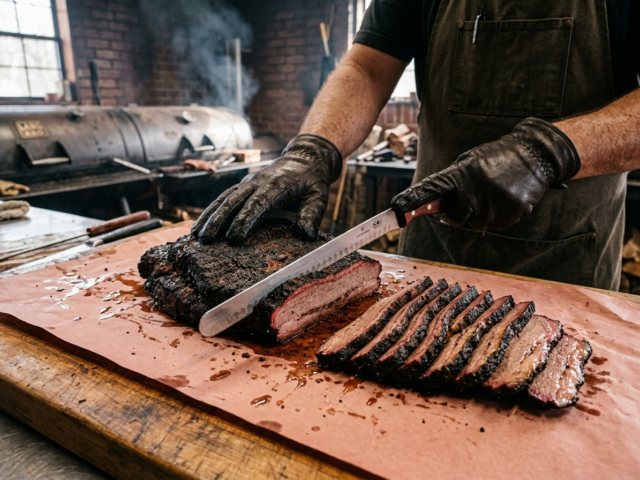
For large roasts and barbecue — think whole brisket, pork shoulder, or prime rib — you’re looking at thirty minutes to well over an hour. Serious pitmasters often rest a brisket for two hours or more in an insulated cooler. That long rest lets the collagen and connective tissue continue to soften, and the juices settle deeply into the meat. If you’re working with brisket, how to slice a brisket like a pitmaster covers why the rest is just as critical as the cook itself.
| Meat Type | Thickness / Size | Resting Time |
|---|---|---|
| Burgers, thin steaks | Under 1 inch | 5 minutes |
| Chicken breasts, pork chops | 1–1.5 inches | 5–10 minutes |
| Thick steaks, whole chicken | 1.5–3 inches | 10–15 minutes |
| Pork loin, prime rib | 3+ pounds | 15–20 minutes |
| Brisket, pork shoulder | 8+ pounds | 30–60+ minutes |
These are guidelines, not hard rules. If you’re unsure, err on the side of resting a little longer. You won’t hurt the meat by giving it extra time.
How to Rest Meat the Right Way
Resting meat after cooking isn’t complicated, but a few small details make a big difference between a good rest and a great one.
To Cover or Not to Cover
You’ll see a lot of recipes that say “tent loosely with foil.” The idea is to keep the surface warm without trapping so much steam that you ruin the crust. And that’s solid advice for most everyday situations.
For a steak or chicken with a nice sear, lay a piece of foil loosely over the top. Don’t wrap it tight — you want some airflow so the crust stays crisp. If you seal it up like a package, the steam will soften that beautiful exterior you worked so hard to build.
For large barbecue cuts like brisket or pork shoulder, the approach is different. These cuts benefit from being wrapped tightly in butcher paper or foil and placed in an insulated cooler. The goal here is to hold the temperature steady for a long rest, and the bark is already set from hours of smoking. If you want to understand what happens to the meat’s internal temperature after it leaves the heat, carryover cooking and what happens after you cook explains the mechanics clearly.
The Carryover Cooking Factor
This is the part most home cooks miss entirely. Meat doesn’t stop cooking the moment you take it off the heat. The outer layers are hotter than the center, and that residual heat keeps pushing inward. This means the internal temperature will continue to rise even while the meat just sits there on the counter.
For a steak, carryover cooking might add 5 to 10 degrees to the internal temperature. For a large roast, it can add 10 to 15 degrees or more. This is exactly why you should pull meat off the heat a few degrees before your target temperature. If you want a medium-rare steak at 135°F, pull it at around 125–130°F and let the rest bring it the rest of the way.
If you wait until the meat hits your target temperature on the grill and then rest it, you’ll overshoot. That medium-rare steak becomes medium, and your chicken goes from juicy to dry. A good meat thermometer is your best friend here — and no, poking meat with a thermometer doesn’t drain the juices, so don’t be shy about checking. Knowing when meat is done without cutting into it is a skill that pays off every single time you cook.
The “But My Meat Gets Cold” Problem
This is the number one complaint I hear about resting meat. “I waited ten minutes and my steak was lukewarm.” I get it. Nobody wants a cold dinner, and telling hungry people to wait longer is a tough sell.
A few simple things help a lot. First, warm your plates. A cold plate will suck heat out of your meat faster than you’d believe. Run your dinner plates under hot water or pop them in a low oven for a couple of minutes before serving. This one small step makes a noticeable difference in how warm the food feels when it hits the table.
Second, remember that the center of the meat is still very hot even if the surface feels warm rather than piping hot. When you slice into a properly rested steak, the inside will still be steaming. The perceived temperature drop is mostly on the exterior, and it’s less dramatic than it feels when you touch the outside of the meat with your finger.
Third, for thinner cuts, keep the rest short. Five minutes won’t cool a chicken breast to an unpleasant temperature, especially on a warm plate. The “cold meat” problem mostly shows up when people rest a thin cut for way too long or rest it on a cold surface.
Food safety note: The USDA recommends keeping hot food above 140°F to stay out of the temperature danger zone. For normal resting times of five to twenty minutes, this isn’t a practical concern for most cuts. But if you’re resting a large roast for an extended period, keep an eye on the internal temperature to make sure it stays in a safe range. This is general guidance — always follow current USDA food safety recommendations for your specific situation.
Resting Meat After Cooking: Practical Tips That Actually Help
Here are a few things I’ve learned from years of cooking for impatient crowds, including my own family.
Use the rest time wisely. While the meat sits, finish your side dishes, toss a salad, or make a quick pan sauce from the drippings in the skillet. The rest period doesn’t have to feel like dead time. In fact, it’s the perfect window to pull everything else together so the whole meal hits the table at once and nothing gets cold.
Rest on a warm surface. A wooden cutting board is better than a cold ceramic plate because wood doesn’t pull heat away from the meat as aggressively. If you’ve been cooking in a cast iron skillet, you can even leave the meat in the pan off the heat — the residual warmth of the iron helps maintain the temperature while the fibers relax.
Don’t stack your meat. If you’re resting multiple chicken breasts or burgers, spread them out in a single layer. Stacking traps steam between the pieces and turns your crispy exterior soggy. Give each piece a little breathing room so the surface stays as crisp as possible.
Slice against the grain after resting. This isn’t directly about resting, but it’s the natural next step and it matters. Cutting against the grain shortens the muscle fibers and makes each bite more tender. You’ve already done the hard work of resting — don’t undo it with a sloppy slice.
Frequently Asked Questions
Does resting meat really make a difference?
Yes. Resting allows the muscle fibers to relax and reabsorb moisture that was pushed to the center during cooking. Multiple food science tests, including well-known experiments by America’s Test Kitchen, have shown that rested meat retains significantly more juice than meat sliced immediately. The difference is most noticeable in thick cuts like steaks, roasts, and whole poultry.
How long should I rest a steak?
For a standard one-inch steak, five to seven minutes is enough. For a thick-cut steak (1.5 to 2 inches), aim for ten to twelve minutes. A useful rough guideline is about one minute of rest per 100 grams of meat, but thickness matters more than weight. A thick, compact steak needs more time than a thin, wide one of the same weight.
Should I cover meat while it rests?
For most cuts, a loose tent of foil works well. It keeps the surface warm without trapping enough steam to ruin your crust. Don’t wrap tightly unless you’re resting a large barbecue cut like brisket or pork shoulder, where holding heat for a long rest is the actual goal.
Can I rest meat too long?
For thin cuts, yes — a chicken breast left for thirty minutes will cool down more than you’d like. For large roasts and barbecue, long rests of one to two hours are common and actually improve the texture. The key is matching the rest time to the size of the cut and keeping food safety in mind for extended rests.
The next time you pull something beautiful off the grill or out of the oven, resist the urge to cut into it immediately. Give it a few minutes. Let the fibers relax, let the juices settle, and let carryover cooking finish the job you started.
It feels counterintuitive when everyone’s hungry and the food smells amazing. But those five or ten minutes of patience are the difference between a good meal and a great one. Your steak will be juicier, your chicken will be more tender, and your cutting board will stay dry.
Now go warm your plates. Your meat is almost ready.
External source notes for verification/insertion:
- America’s Test Kitchen resting meat experiment: Search “America’s Test Kitchen resting steak experiment” on americastestkitchen.com for the original test and video. Insert the specific URL where the ATK reference appears in the “Science of Juice Redistribution” section.
- USDA food safety guidelines: Link to foodsafety.gov or the USDA FSIS safe minimum internal temperature chart where the food safety note appears. Insert the specific URL to support the 140°F danger zone reference.

5 Comments