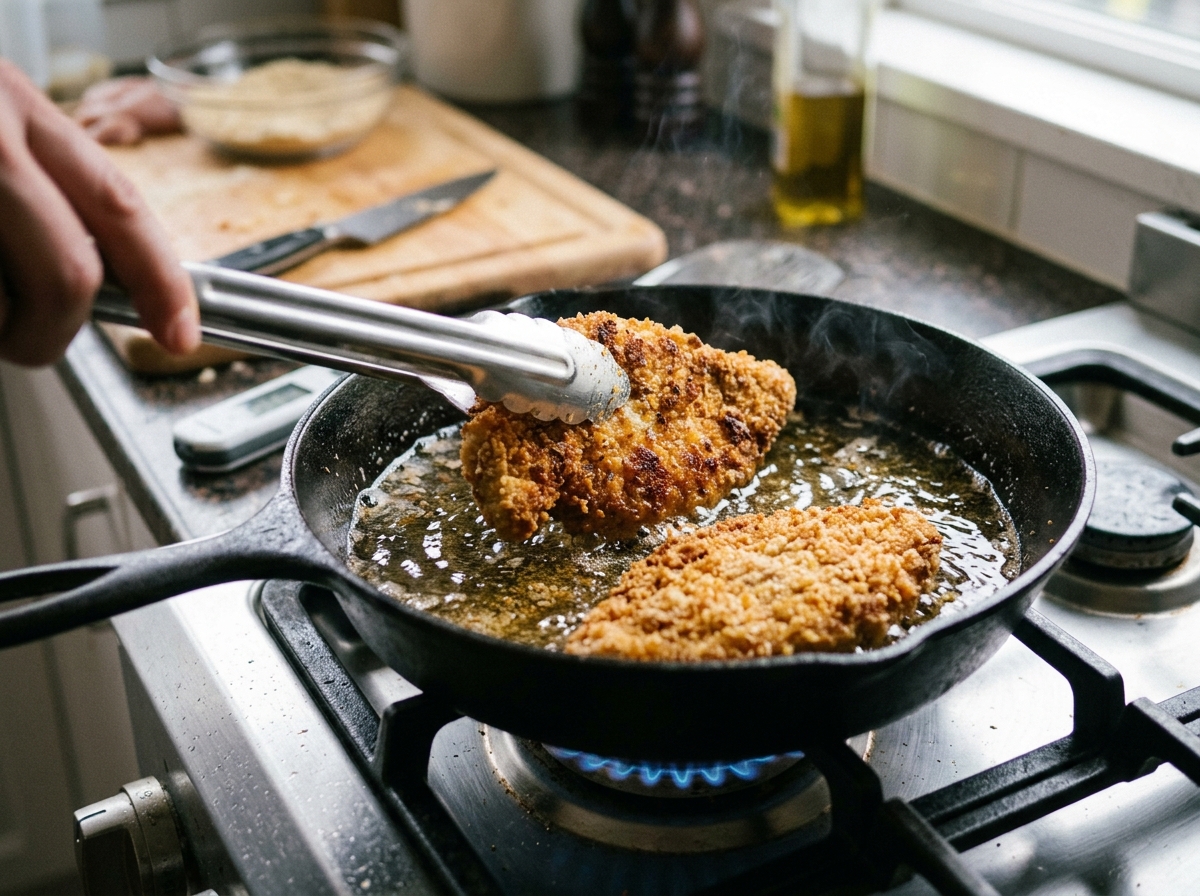
Most home-fried food goes wrong for one simple reason: the oil isn’t hot enough. If you’re trying to learn how to fry at home without deep frying, the shallow fry method is one of the easiest kitchen skills to pick up. You use a small amount of oil, a solid pan, and a little patience. That’s enough to make chicken cutlets, fish, potato patties, and other favorites come out crisp instead of greasy.
What the shallow fry method actually means
Shallow frying means cooking food in a pan with enough hot oil to come partway up the sides of the food, then flipping it so both sides cook evenly. In most home kitchens, that means somewhere around 1/4 to 1/2 inch of oil, not a big pot filled to the top.
That middle ground is why shallow frying works so well. You get much more surface contact than baking, but you don’t need the setup, oil volume, or cleanup that deep frying demands.
The goal is simple: build a crisp outer layer fast, before the inside dries out. That golden crust comes from browning, often called the Maillard reaction, and it happens best when the surface is dry and the oil stays hot.
Shallow fry vs. deep fry vs. pan fry
People often mix these terms up, and honestly, recipes don’t always help.
Deep frying fully submerges the food in oil. It’s great for even browning, but it uses more oil and needs more temperature control.
Shallow frying uses less oil, with the food partly submerged. You flip once or twice so both sides brown.
Pan frying often overlaps with shallow frying. Some cooks use “pan fry” for anything cooked in a skillet with a small amount of fat. In everyday cooking, the two terms are close enough that most people use them the same way.
Sautéing is different. You use just a little fat and move the food around a lot. Think mushrooms or sliced vegetables, not breaded cutlets.
If you’ve ever wanted fried-style food without dealing with a countertop fryer, shallow frying is usually the sweet spot.
Why shallow frying works so well at home
You don’t need much to make it work. A sturdy skillet, the right oil, and a few small habits will get you better results than most people expect.
For home cooks, the big win is control. You can see the browning happen. You can adjust the heat quickly. You’re not stuck managing a heavy pot of oil for one batch of dinner.
It also fits real life better. Maybe you live in a small apartment. Maybe you don’t want the smell of a full deep-fry session hanging around all night. Maybe you just want crispy chicken for two people, not a whole production.
That’s where the shallow fry method shines.
What foods are best for shallow frying?
Shallow frying works best for foods that are fairly thin, evenly shaped, and quick-cooking.
Good choices include:
- chicken cutlets and tenders
- fish fillets
- breaded tofu
- potato patties or hash browns
- fritters, croquettes, and small schnitzel-style pieces
A thin steak with a crust also works well. If you like that diner-style crispy coating, the same idea shows up in dishes like chicken-fried steak.
You can also use this method for sandwich cutlets. A crispy fried fillet made in a skillet is the backbone of a good spicy chicken sandwich, and it doesn’t need a deep fryer to turn out right.
What doesn’t work as well?
Here’s where a lot of articles stay vague. Not every food loves shallow frying.
Very thick bone-in chicken pieces are harder because the crust can brown before the center is cooked. Loose wet batters can also be messy in a shallow pan. Big frozen foods with ice on the surface tend to splatter and drop the oil temperature fast.
Can you still make them work? Sometimes. But if you’re learning, start with thin, simple foods first. You’ll build confidence much faster.
Quick fact: The biggest reason food comes out greasy isn’t “too much oil.” It’s usually oil that was too cool.
What you need before you start
A lot of frying problems start before the oil even hits the pan. The setup matters more than people think.
Pick the right pan
A heavy-bottomed skillet is your best friend here. Cast iron is great because it holds heat well. Stainless steel works too, especially if the pan has a solid base. A good nonstick pan can help with delicate foods like fish, though you shouldn’t blast it over extreme heat.
A 10- to 12-inch skillet is the sweet spot for most home cooking. It gives the food enough room without letting the oil spread too thin.
Thin, cheap pans are harder to manage. The heat jumps around, and one side of your cutlet ends up dark while the other side stays pale.
Did you know? Cast iron usually loses less heat when cold food hits the pan. That helps keep the crust crisp instead of soggy.
Choose an oil that can handle the heat
You want an oil with a fairly high smoke point and a neutral flavor.
Good options include canola oil, vegetable oil, peanut oil, sunflower oil, rice bran oil, and refined avocado oil. These handle shallow frying well and won’t fight with the flavor of the food.
Extra-virgin olive oil can work for some skillet frying, especially at moderate heat, but for consistent crisp results, a more neutral oil is easier.
If fries are on your mind, this guide to choosing the best oil for homemade French fries helps you sort out which oils give the best balance of flavor, cost, and heat tolerance.
How much oil do you really need?
You don’t need to drown the food.
For thin cutlets, fish fillets, or patties, 1/4 inch of oil is often enough. For slightly thicker items, go closer to 1/2 inch. A simple rule works well: the oil should reach about one-third to halfway up the sides of the food.
That depth lets the crust form properly while keeping the method lighter and less messy than deep frying.
Too little oil leads to patchy browning. Too much turns the whole thing into near-deep frying and adds more splatter than you need.
Small tools that make a big difference
You don’t need fancy gear, but a few basics help a lot:
- tongs or a fish spatula
- a wire rack set over a tray or plate
- a thermometer for the oil
- paper towels for backup
- a splatter screen if your pan tends to spit
- a plate for your raw, breaded food
Pro tip: A cheap thermometer can improve your frying faster than a new pan. Guessing the temperature is where many home cooks lose the game.
How to fry at home without deep frying: step by step
Once your pan and oil are sorted, the rest gets much easier. Here’s the method that works for most breaded foods.
- Prep the food and keep the surface dry.
Moisture is the enemy of crispness. Pat chicken, fish, tofu, or vegetables dry before seasoning or breading. If you’re coating something, use a basic flour, egg, and breadcrumb setup. - Let breaded food rest for 10 to 15 minutes.
That short rest helps the coating stick. Skip it, and your crust is more likely to slide off in the pan. - Heat the oil before adding food.
Warm the pan first, then add oil. For most shallow frying, aim for about 350°F to 375°F. If you don’t have a thermometer, drop in a small breadcrumb. It should sizzle right away, not sit there quietly and soak. - Place the food in the pan away from you.
Lay it in gently so any splatter moves away from your hand. Don’t crowd the skillet. Leave enough space between pieces so steam can escape. - Let the first side set before flipping.
Don’t poke it every 20 seconds. The food will usually release more easily once the crust forms. Flip when the underside turns golden brown. For thin chicken cutlets, that may be around 3 to 4 minutes per side. Fish often needs less. - Drain, season, and serve fast.
Move the food to a wire rack, not a flat plate if you can help it. A rack keeps the steam from softening the bottom. Add a little salt while it’s still hot.
That’s the whole shallow fry method in a nutshell.
A simple example: chicken cutlets
Let’s make it real.
Say you have two chicken breasts. Slice or pound them into even cutlets so they cook at the same speed. Season them. Coat them in flour, egg, and breadcrumbs. Let them sit for 10 minutes.
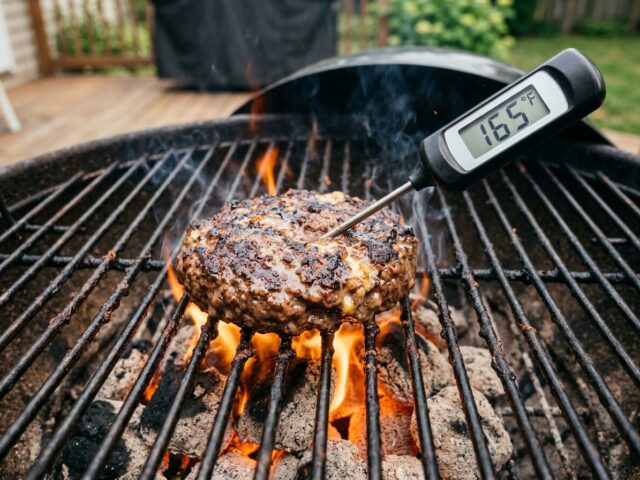
Heat 1/4 to 1/2 inch of oil in a skillet to around 350°F. Add one or two cutlets, depending on pan size. Cook until golden on the first side, then flip and finish the second side. Chicken should reach 165°F in the thickest part, which matches USDA food safety guidance.
Now you’ve got crispy chicken without deep frying. From there, you can serve it with lemon, turn it into a sandwich, or go spicy with flavors like Nashville hot chicken tenders.
What about fries?
Classic restaurant fries are usually better with deeper oil and a double-fry method. Still, home-style skillet fries and potato wedges can come out great with shallow frying if you dry them well and give them space.
If that’s your goal, the tips in golden crisp French fries are worth a look, especially the part about removing surface moisture. Water and crispness don’t get along.
Can frozen snack foods work too?
Yes, but you need more care.
Frozen breaded foods can splatter because surface ice hits hot oil hard. Some products are made to cook from frozen, but the package matters. If you see visible frost, brush that off first.
Cheese snacks are the classic trap. If the oil is too cool, the coating soaks oil. If it’s too hot, the shell browns before the center warms and the cheese bursts out. That same balancing act shows up in mozzarella sticks and frying accuracy.
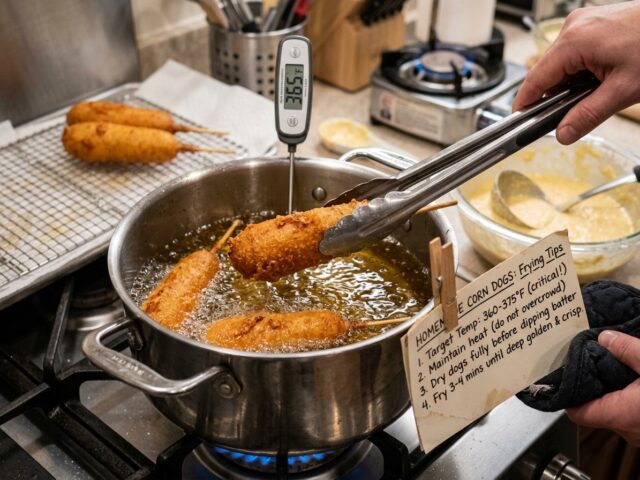
Corn dogs are another good reminder that steady heat matters more than brute force. These homemade corn dogs frying temps and tips explain why even a small dip in temperature can change the whole result.
Common shallow frying mistakes and easy fixes
Nobody gets perfect frying every time. The good news? Most problems are easy to diagnose.
Why does fried food turn greasy?
Low oil temperature is the top cause.
If the oil isn’t hot enough, the coating absorbs oil before the crust can set. Crowding the pan makes this worse because every new piece cools the oil down.
A second issue is flipping too early. If the crust hasn’t formed yet, the coating stays soft and oily.
The fix is simple: heat the oil properly, fry in small batches, and let the food brown before touching it.
Common misconception: More oil always makes food greasier.
Not really. If the oil is at the right temperature, the crust forms faster and absorbs less.
Why does the breading fall off?
Usually, one of three things happened.
The food was too wet.
The breaded coating didn’t get time to rest.
Or the food got moved around too soon.
Start with a dry surface. Press the coating on gently. Let it sit for 10 to 15 minutes before frying. Once it hits the pan, leave it alone until the bottom side firms up.
A gentle flip also matters. Tongs are fine for sturdy foods, but a thin fish spatula often works better for delicate cutlets.
Why does the outside brown too fast?
That’s a sign the heat is too high, or the pieces are too thick.
Thin, even pieces fry best. If one end of a cutlet is much thicker than the other, one side may burn before the thick end cooks through. Pounding meat to an even thickness helps a lot.
You can also lower the heat slightly after adding the food. Oil temperature often climbs while the pan sits empty, then drops when the food goes in. Small adjustments are normal.
Why won’t the food get crisp?
Surface moisture is usually the reason.
Potatoes need drying. Fish needs blotting. Breaded foods need a little rest before frying. A crowded pan also traps steam, and steam softens crust.
If you’re chasing crisp results, drain on a wire rack instead of stacking pieces on paper towels. Paper towels soak up extra oil, sure, but a flat stack also traps steam underneath.
Why is one batch perfect and the next one pale?
Because frying is a moving target.
The pan cools down after each batch, especially if the pan is thin. Give the oil a minute to recover before adding more food. Use the thermometer again. That little pause makes a big difference.
Safety and cleanup without the stress
A lot of people avoid frying because it feels risky. Fair enough. Hot oil deserves respect. Still, shallow frying is much easier to manage than deep frying if you stay alert.
Keep splatter under control
Dry food causes less splatter than wet food. That’s your first defense.
After that, place food into the pan away from you, not toward you. Don’t overfill the skillet. Keep handles turned inward so no one bumps them. If your oil tends to spit, use a splatter screen.
Loose sleeves and distracted cooking don’t mix well with frying. Stay by the stove while the pan is on.
Warning: Never pour water on a grease fire. If oil catches fire, turn off the heat if you can do it safely and cover the pan with a metal lid or baking sheet to smother the flames.
Reusing oil: yes or no?
You can often reuse shallow-frying oil once or twice if it stayed fairly clean.
Let it cool completely. Strain out crumbs. Store it in a sealed container in a cool, dark place. Use it again for similar foods. For example, oil used for chicken or fish will carry flavor, so you probably won’t want to reuse it for something sweet.
Throw it out if it smells harsh, looks very dark, starts smoking earlier than before, or foams strangely.
How to get rid of used oil
Don’t pour oil down the sink. It can clog pipes and make a mess later.
Let the oil cool, pour it into a jar or disposable container, seal it, and toss it according to local disposal rules. Some areas also have recycling programs for cooking oil.
FAQ Section
FAQ
Can you get food crispy without deep frying?
Yes, you can. The key is hot oil, dry food, and enough space in the pan. Shallow frying gives great crispness for thin foods like cutlets, fish, patties, and fritters.
How much oil do you need for the shallow fry method?
Most foods need about 1/4 to 1/2 inch of oil. A good rule is to let the oil come about one-third to halfway up the sides of the food. That gives enough contact for browning without full submersion.
What is the best oil for shallow frying at home?
Neutral oils with a decent smoke point work best. Canola oil, vegetable oil, peanut oil, sunflower oil, rice bran oil, and refined avocado oil are all solid choices. Pick one that fits your budget and the flavor you want.
Is shallow frying healthier than deep frying?
It can use less oil than deep frying, so in that sense it may be lighter. But it still isn’t automatically low-fat cooking. The final result depends on the oil temperature, the coating, and what you’re frying.
Can you shallow fry frozen food?
You can, but you need to be careful. Frozen foods with ice crystals can splatter hard and lower the oil temperature. Remove visible frost, check package directions, and cook in small batches.
- Conclusion
You don’t need a deep fryer to make food crisp at home. A good skillet, a moderate amount of oil, and the right temperature will take you a long way. Start with something simple like chicken cutlets, fish fillets, or potato patties. Those are forgiving, fast, and easy to judge by color.
If you want one next step, make this your rule for tonight: heat the oil properly, don’t crowd the pan, and wait before flipping. Get that right once, and the shallow fry method starts feeling less like a trick and more like second nature.