Here’s something that catches most people off guard: a meatless burger can be just as tricky to cook as a regular beef patty. Maybe even trickier. You’d think that removing meat from the equation means you can toss it on a pan, eyeball it, and call it done. But plant-based burgers — whether you’re grilling a Beyond Burger, pan-searing an Impossible patty, or flipping a homemade black bean burger — actually depend heavily on temperature for both safety and taste.
Get the temp wrong, and you’ll either bite into a mushy, cold center or chew through something that feels like a dried-out hockey puck. Neither sounds great, right?
The truth is, temperature control is the single biggest factor separating a forgettable meatless burger from one that actually makes you say, “Wait, this is plant-based?” Let’s break down exactly why temperature matters, what numbers to aim for, and how to nail it every single time — no matter which brand or recipe you’re working with.
Why Does Temperature Even Matter for Meatless Burgers?
This is the question most people start with, and it’s a fair one. If there’s no raw meat involved, why fuss over internal temperatures?
The answer has two parts: food safety and texture.
On the safety side, plant-based burgers aren’t sterile products. They’re made from proteins (pea protein, soy protein, wheat gluten), fats (coconut oil, canola oil, cocoa butter), starches, and binding agents. These ingredients go through processing in factories, get packaged, shipped, stored, and handled — just like any other food product. Bacteria like E. coli, Salmonella, and Listeria can absolutely contaminate plant-based foods during manufacturing or handling. The FDA and USDA don’t give plant-based proteins a free pass on food safety, and neither should you.
On the texture side, this is where it gets really interesting. Commercial plant-based burgers like Beyond Meat and Impossible Foods are specifically engineered to behave like ground beef at certain temperatures. The fats melt at a calculated rate. The proteins firm up to mimic that meaty chew. The color changes from pink-ish to brown — on purpose. All of that magic only happens within a specific temperature window. Go too low, and the fats stay solid and the texture feels raw and gummy. Go too high, and the fats render out completely, leaving you with a dry, crumbly mess that no amount of ketchup can save.
So yes — temperature matters a lot. If you’ve been treating your burger temperatures with care for beef patties (and if you haven’t, check out this hamburger internal temp chart for reference), you should bring that same attention to plant-based ones.
The Right Internal Temperature for Meatless Burgers
Let’s get specific. Different types of meatless burgers have different sweet spots, and knowing the difference will change your cooking game.
Commercial Plant-Based Patties (Beyond Meat, Impossible, etc.)
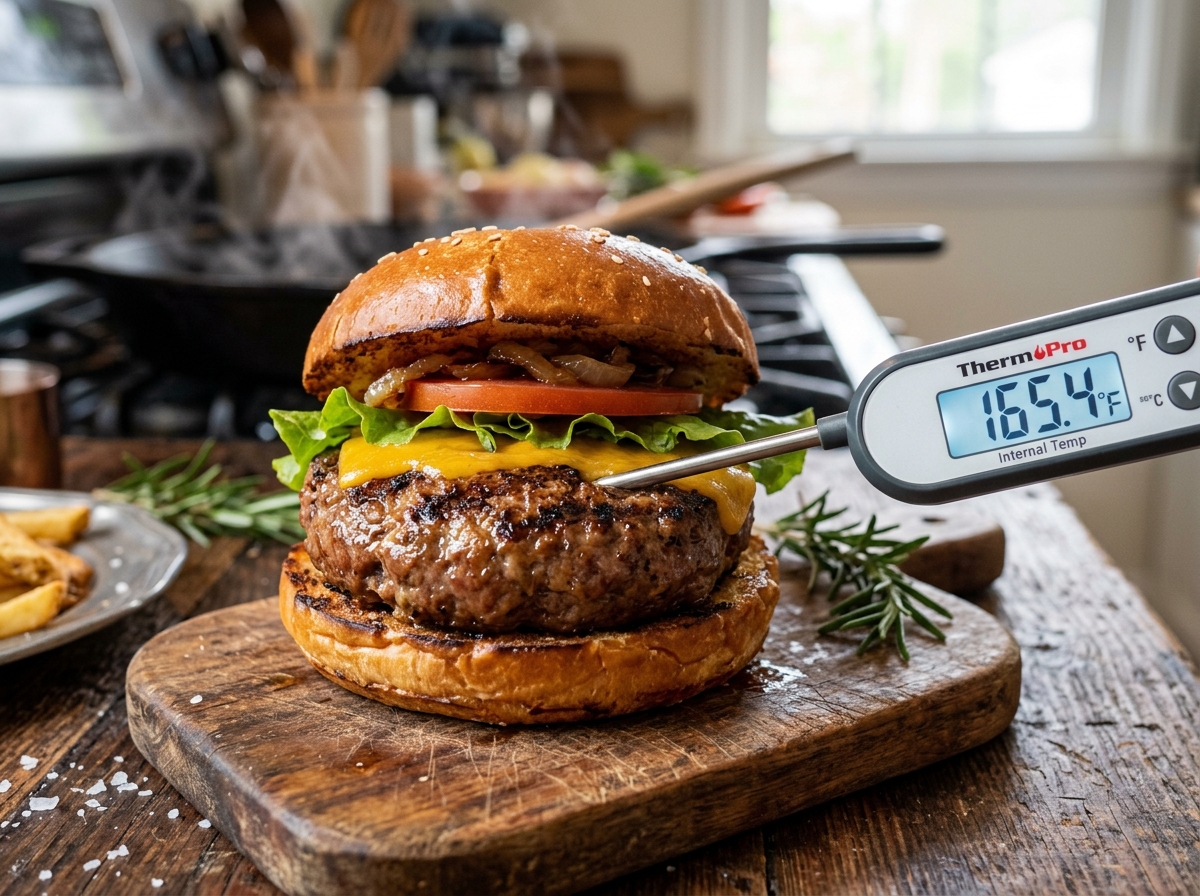
Both Beyond Meat and Impossible Foods recommend cooking their patties to an internal temperature of 165°F (74°C). That’s the same temperature the USDA recommends for ground poultry — and there’s a good reason for that consistency. At 165°F, you’ve eliminated any potential bacterial contamination from processing, and you’ve activated the protein and fat systems that give these burgers their signature “meaty” feel.
Here’s a pro tip most people miss: pull your patty off the heat at around 160°F. Carry-over cooking (the residual heat that continues to cook the patty after you remove it from the grill or pan) will push it up those last few degrees. This prevents overcooking while still hitting the safe zone.
Beyond Meat patties, in particular, go from “perfectly done” to “overdone” in a surprisingly short window — about 30 to 60 seconds on a hot grill. That’s why an instant-read thermometer isn’t optional here. It’s essential.
Homemade Veggie Burgers (Black Bean, Chickpea, Lentil, etc.)
Homemade patties made from cooked beans, grains, and vegetables don’t have the same engineered fat-melting systems. Their temperature needs are more about food safety (especially if you’ve added eggs or dairy as binders) and achieving a firm-enough texture to hold together.
Aim for an internal temp of 160°F to 165°F. At this range, any egg binder is fully cooked, starches have set properly, and the exterior should be nicely browned without the inside being raw or mushy.
The bigger challenge with homemade veggie burgers isn’t reaching the right temp — it’s doing so without the patty falling apart. More on that in a bit.
Store-Bought Frozen Veggie Patties (MorningStar, Boca, Dr. Praeger’s, etc.)
These are pre-cooked in most cases. You’re really just reheating them to 165°F for safety and palatability. But here’s the thing: even though they’re pre-cooked, the texture difference between a properly heated frozen patty and a lukewarm one is dramatic. A lukewarm center tastes starchy and cardboard-like, while a properly heated one actually develops some appealing chew.
Don’t microwave these if you can avoid it. The microwave turns them rubbery. Pan-frying or baking works much better for getting that crisp exterior while warming the center through.
How Cooking Method Affects Temperature Control
The tool you use to cook your meatless burger changes how quickly (and evenly) heat reaches the center. And with plant-based patties, even cooking is everything.
Grilling
Grilling is where most people run into trouble with meatless burgers. The high, direct heat of a grill can char the outside while leaving the center underdone — especially if the patty is thick or was cold when it hit the grates.
Set your grill to medium-high heat, around 375°F to 400°F. If you’re working with a gas grill, you already know how to dial that in (and if you don’t, this guide on how to grill burgers on a gas grill walks you through the basics). Cook for about 3 to 4 minutes per side, and resist the urge to press down on the patty with your spatula. That squeezes out the fats and moisture — exactly what you don’t want.
One trick that works beautifully: close the grill lid between flips. The trapped heat creates an oven-like environment that cooks the patty more evenly from all sides, not just the bottom.
Pan-Frying / Skillet
A cast-iron skillet or heavy non-stick pan over medium heat is actually the most forgiving method for meatless burgers. The flat, even surface contact means no hot spots, and you can control the temperature more precisely than on a grill.
Add a thin layer of oil (a high smoke-point oil like avocado or canola works best), let the pan get hot for a full minute before adding the patty, then cook for 3 to 4 minutes per side. You’ll get a gorgeous crust that commercial brands spend millions engineering their products to produce.
Oven Baking
Baking is the slowest method, but it’s also the most hands-off. Preheat to 375°F to 400°F, place patties on a lined baking sheet, and cook for about 20 to 25 minutes, flipping once halfway through. This method is great for batch cooking — say, if you’re making meatless burgers for a group or a football watch party spread.
The downside? You won’t get much of a sear or crust from the oven alone. A quick 60-second sear in a hot pan after baking gives you the best of both worlds.
Air Fryer
Air fryers have become the go-to for frozen plant-based patties, and honestly, they do a great job. Set it to 375°F, cook for 8 to 10 minutes (flipping once), and you’ll get an evenly cooked patty with a slightly crispy exterior. The circulating hot air mimics a convection oven, which means more consistent results than a standard oven.
What Happens When You Undercook a Meatless Burger?
Let’s paint the picture clearly, because this is where a lot of home cooks make their biggest mistake.
An undercooked commercial plant-based burger — one that hasn’t reached 165°F internally — will have a distinctly gummy, paste-like center. The coconut oil or cocoa butter used as fat in brands like Beyond Meat hasn’t fully melted and redistributed. The methylcellulose (a common plant-based binder) hasn’t set. The pea protein hasn’t firmed up.
It won’t taste “rare” the way an undercooked beef burger does. It’ll taste unfinished — starchy, sticky, and honestly pretty unpleasant.
There’s also the safety angle. While the risk is lower than with raw ground beef, it’s not zero. Plant-based patties are processed in facilities that handle multiple ingredients, and contamination can happen. The FDA has issued recalls on plant-based products before. Cooking to the right temperature is your best defense.
For homemade veggie burgers, undercooking often means a patty that crumbles the moment you try to pick it up or take a bite. The starches and binders haven’t fully activated, so there’s nothing holding everything together. It’s frustrating, and it’s almost always a temperature problem — not a recipe problem.
What Happens When You Overcook a Meatless Burger?
This is the other extreme, and it’s just as common.
An overcooked plant-based burger — one pushed well past 165°F or left on heat too long — loses almost all its moisture and fat. Remember, these patties don’t have the intramuscular fat that beef has. Once the coconut oil or canola oil renders out, there’s no secondary fat reserve keeping things juicy. What you’re left with is a dry, dense patty that tastes more like a protein bar than a burger.
The color is another giveaway. Beyond Meat patties, for example, go from a juicy reddish-brown at the right temperature to a grayish, almost ashy color when overcooked. Impossible Burgers tend to shrink significantly and develop a tough, leathery exterior.
The fix is simple: use a thermometer and pull early. You’ve probably heard this advice for grilling regular burgers too — the same burger temperature guide principles about carry-over cooking apply here.
The Thermometer: Your Most Important Tool
If there’s one piece of equipment that makes the biggest difference in cooking meatless burgers, it’s an instant-read digital thermometer. Not a fancy one — even a basic $12 model from your local kitchen store will do the job.
Here’s why it matters so much: unlike a beef burger, where you can press the surface and feel firmness to gauge doneness, plant-based patties don’t give reliable tactile feedback. They firm up differently. Some stay soft-looking even when fully cooked internally. Others feel firm on the outside while the center is still 20 degrees below target.
Quick tip: Insert the thermometer from the side of the patty, aiming for the center. Going in from the top on a thin patty can push the probe through and give you a reading from the cooking surface instead — which will always be much higher than the actual center temperature.
Brand-Specific Temperature Notes
Not all meatless burgers are built the same, and they don’t all respond to heat identically. Here’s what to know about the most popular ones.
Beyond Meat (Beyond Burger): Uses pea protein and coconut oil. The coconut oil is the key — it’s what creates that “sizzle and juice” effect. Cook to 165°F internal. These patties are slightly more forgiving with overcooking than Impossible, but they dry out fast once they pass 170°F.
Impossible Foods (Impossible Burger): Uses soy protein and sunflower oil, plus heme (soy leghemoglobin) for that “bleeding” effect. The heme is what makes it change from pink to brown as it cooks — very similar to myoglobin in real meat. Internal temp of 160°F to 165°F is the sweet spot. These tend to hold moisture slightly better than Beyond at higher temps, but the texture gets rubbery if pushed too far.
Black Bean Burgers (Homemade): Temperature matters here mostly for structural integrity. At 160°F+, the egg binder (if used) is set, the moisture from beans has steamed off just enough to create a firm patty, and the exterior develops a nice crust. Below that, you’ll have a burger that falls apart mid-bite.
MorningStar Farms / Boca (Frozen): Pre-cooked, so you’re reheating. Still aim for 165°F internal for best texture and safety. These patties are thinner, so they heat through quickly — watch them closely to avoid drying out.
Tips for Nailing the Perfect Temperature Every Time
After years of cooking (and overcooking, and undercooking) plant-based burgers, a few practical habits make all the difference.
Let the patty temper before cooking. Take it out of the fridge 10 to 15 minutes before cooking. A cold patty straight from the fridge has a much colder center, which means the outside will overcook before the inside reaches 165°F. This one simple step fixes most uneven cooking issues.
Don’t cook on too-high heat. It’s tempting to crank the burner to max and get a fast sear. But medium to medium-high is the move. Slower, more controlled heat gives the center time to come up to temp while the exterior develops a crust without burning.
Oil the patty, not just the pan. A light brushing of oil on both sides of the patty promotes even browning and prevents sticking — especially on grill grates, where plant-based patties are notorious for falling apart if they grab the metal.
Flip only once. Every flip releases heat and resets the cooking process on that side. One flip, right around the halfway mark, gives you the most even results.
Don’t skip the rest. After cooking, let the patty sit for 60 to 90 seconds before assembling your burger. Just like with a steak or a traditionally grilled burger, resting allows the internal temperature to equalize and the fats to redistribute slightly. You’ll notice less “juice” running out onto the bun.
Can You Cook Meatless Burgers from Frozen?
Absolutely — and many people prefer it. Both Beyond Meat and Impossible Foods say you can cook their patties from frozen, though cook times will increase.
On a grill or skillet, add about 2 to 3 extra minutes per side. The key is to lower the heat slightly (closer to medium) so the outside doesn’t burn while the frozen center thaws and cooks through. Use your thermometer more frequently — frozen patties can go from “not done yet” to “overdone” fast because the thawing process creates unpredictable temperature spikes as ice crystals melt.
If you’ve ever dealt with frozen burgers on a grill, the same patience applies here. Low and slow beats hot and fast when you’re starting from frozen.
Air fryers handle frozen meatless burgers particularly well. The 375°F setting with an extra 3 to 4 minutes of cook time gives you a patty that’s evenly heated without that “burnt outside, frozen inside” problem.
Why Meatless Burgers Are Harder to Cook Than You’d Expect
There’s a reason so many people struggle with plant-based patties, and it’s not because they’re bad cooks. It’s because these burgers behave fundamentally differently from beef.
Beef is made of muscle fibers, fat, and connective tissue. It has a huge margin for error — you can cook a beef burger anywhere from 130°F (rare) to 160°F (well done) and still get something edible. The fat is distributed throughout the meat, so even an overcooked beef burger retains some juiciness.
Plant-based patties don’t have that luxury. Their fat is added in discrete pockets (tiny pieces of coconut oil or cocoa butter scattered throughout the protein matrix). Once those fat pockets melt out, they’re gone. There’s no intramuscular fat holding everything together. The usable temperature window is much narrower — roughly 160°F to 170°F for most brands. That’s only a 10-degree range between “perfect” and “past its prime.”
This is exactly why a thermometer matters so much more with meatless burgers than with traditional beef. You’re working with less margin, and visual cues alone won’t cut it.
Pairing Your Perfectly Cooked Meatless Burger
You’ve got the temperature dialed in. Now what goes on (and around) that burger?
Plant-based patties tend to have a slightly different flavor profile than beef — a little nuttier, slightly less savory, sometimes with a faint coconut undertone (especially Beyond Meat). This means your toppings and condiments can do some heavy lifting.
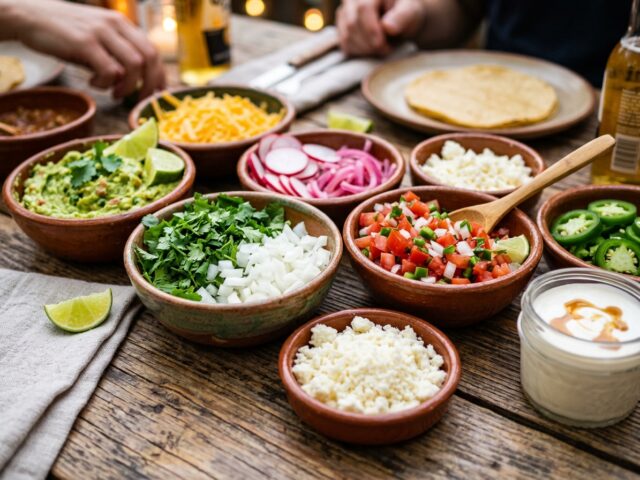
Strong-flavored toppings work beautifully: sharp cheddar, pickled jalapeños, caramelized onions, or a smoky chipotle aioli. If you love building flavor with your taco toppings, bring that same energy to your burger. The goal is to add layers of flavor that complement the patty’s protein-rich base.
A solid side doesn’t hurt either. Some crispy golden French fries next to a well-cooked plant-based burger? That’s a meal that’ll make anyone forget they’re eating meatless.
FAQ
What temperature should a meatless burger be cooked to?
Most commercial plant-based burgers (Beyond Meat, Impossible Burger) should reach an internal temperature of 165°F (74°C). Homemade veggie burgers made with egg binders should also hit at least 160°F to ensure the binder is fully cooked and the patty holds together.
Can you eat a meatless burger undercooked?
It’s not recommended. While plant-based burgers don’t carry the same raw-meat risks as beef, they can still harbor bacteria from processing and handling. An undercooked plant-based burger will also have a gummy, unpleasant texture because the fats and binders haven’t activated properly. Always cook to the recommended internal temperature.
Do you need a meat thermometer for plant-based burgers?
Yes — honestly, a thermometer is even more important for meatless burgers than for beef. Plant-based patties don’t give reliable visual or touch-based cues for doneness. The difference between a perfectly cooked patty and an overcooked one can be just a few degrees, so an instant-read thermometer is the most reliable way to get it right.
How long do you cook a Beyond Burger on each side?
On a preheated grill or skillet at medium-high heat (around 400°F), cook a Beyond Burger for about 3 to 4 minutes per side. Use a thermometer to confirm the internal temperature has reached 165°F. If cooking from frozen, add about 2 to 3 extra minutes per side and lower the heat slightly.
Why does my meatless burger fall apart?
This usually happens because of insufficient cooking temperature (the binders haven’t set), too much moisture in a homemade patty, or flipping too early before a crust has formed. Let the first side cook undisturbed for at least 3 minutes before attempting a flip. A well-heated, lightly oiled cooking surface also helps the patty hold together.
Your Next Meatless Burger Will Be Your Best One
Temperature isn’t just a technicality with meatless burgers — it’s the difference between a patty you’re proud to serve and one you quietly toss in the trash. The good news? Once you know the numbers (165°F, medium-high heat, one flip, pull early, let it rest), cooking a plant-based burger becomes just as intuitive as cooking a traditional one.
Grab a thermometer next time you fire up the grill or heat up your skillet. Give your patty those extra ten minutes to temper on the counter. Pay attention to the heat level. These small habits add up to a meatless burger that’s juicy, flavorful, and cooked exactly the way it was designed to be enjoyed. And once you taste the difference? You won’t go back to guessing.