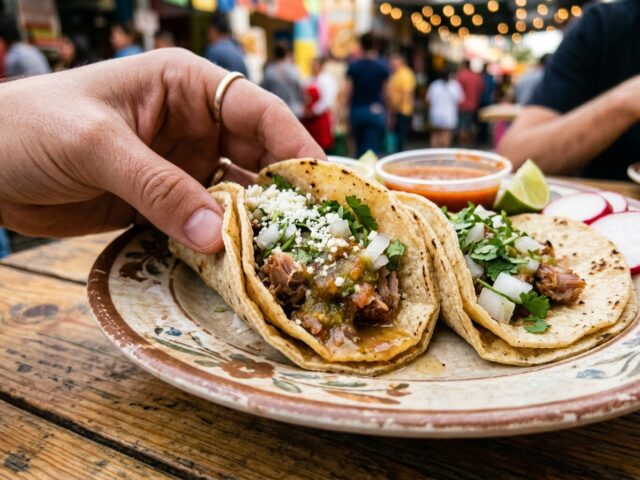
There’s a reason taco trucks across Los Angeles almost always have a bowl of sliced avocado sitting right next to the salsa. It’s not decoration. It’s not a trend. It’s a signal — this place knows what it’s doing.
Avocado has been part of Mexican food culture for thousands of years, long before guacamole became a Super Bowl staple. But somewhere along the way, people started treating it like an optional add-on, a fancy extra you pay $2 more for at a Tex-Mex chain. That’s a misunderstanding worth correcting.
When you put avocado in a taco — done right — it doesn’t just add flavor. It changes the entire eating experience. And once you understand why, you’ll never skip it again.
The Deep-Rooted History of Avocado in Mexican Cuisine
Avocados aren’t new to the taco world. They’ve been growing in Mexico for at least 5,000 years, with the Aztecs using them as both food and medicine. The word “avocado” itself traces back to the Nahuatl word āhuacatl. That’s how far back this relationship goes.
Traditional Mexican cooking didn’t treat avocado as a garnish. It was a core ingredient — used to balance heat, add richness, and stretch a meal further. Street vendors in Mexico City have been slicing fresh avocado over tacos for generations. It’s not a modern food trend. It’s culinary heritage.
When you look at authentic Mexican tacos, avocado shows up in many forms: sliced on top, blended into a thin crema-style sauce, or mashed into chunky guacamole. Each version serves a different purpose, but the intention is always the same — to bring richness and balance to the whole bite.
What Avocado Actually Does to a Taco
This is where it gets interesting. Most people think avocado is there for creaminess. And yes, the texture is a big part of it. But there’s more happening.
It Tames the Heat
Capsaicin — the compound that makes chili peppers spicy — binds to fat molecules. Avocado is about 15% fat by weight, most of it monounsaturated. When you eat avocado alongside spicy salsa or a fiery habanero-marinated meat, it literally coats your mouth and reduces the burn. It’s not just psychological relief. There’s real chemistry at work here.
This is why the best taco sauces often pair beautifully with avocado — the fat in the avocado gives those bold, spicy sauces somewhere to land without overwhelming your palate.
It Bridges the Flavors
Think about what’s typically inside a taco: grilled meat, acidic salsa, sharp onion, bright cilantro, and a warm tortilla. Each of those elements has a strong, distinct personality. Avocado sits in the middle of all of them and acts as a connector. Its mild, buttery flavor doesn’t compete — it smooths everything together.
A bite of carne asada with fresh salsa can sometimes feel like two separate things fighting in your mouth. Add a slice of avocado, and suddenly it’s one unified flavor. That’s what a good neutral element does.
It Adds Substance Without Heaviness
Avocado is calorie-dense but doesn’t sit heavy. One medium avocado has around 230 calories and nearly 10 grams of fiber. It satisfies without making you feel like you need a nap. For a street taco that’s naturally small, this is valuable. You feel genuinely full after two or three tacos instead of five or six.
Guacamole vs. Sliced Avocado: They’re Not the Same Thing
People use these interchangeably, but they function very differently inside a taco.
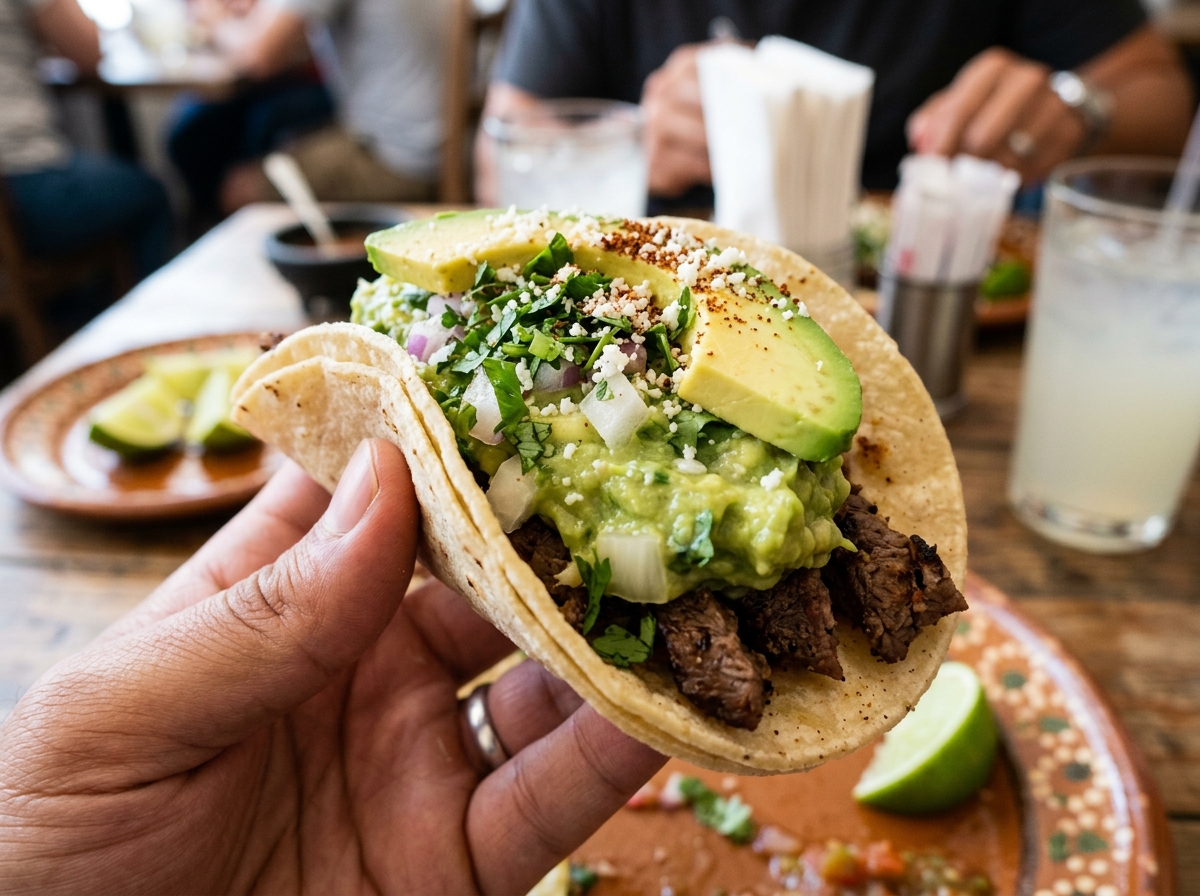
Sliced or chunked avocado holds its texture. You get distinct bites of creaminess between the other ingredients. It adds visual contrast, and because it’s not fully mashed, it doesn’t overwhelm the other toppings. Great for tacos where the protein is the star — like tacos al pastor — where you want the avocado to complement, not compete.
Guacamole is a sauce as much as it is a topping. When made properly — lime, salt, cilantro, onion, maybe a little serrano pepper — it becomes a layer of flavor that coats everything inside the tortilla. It works especially well in tacos with drier fillings or milder proteins. Think chicken tacos, where that extra moisture and punch of flavor from guacamole makes a real difference.
Avocado crema is a third option that doesn’t get nearly enough attention. Blend avocado with sour cream, lime juice, and a pinch of salt, and you get something drizzleable, tangy, and rich. It spreads over the taco the way a sauce would, covering more surface area and creating a more consistent flavor in every bite.
Knowing which version to use comes down to understanding your taco. What’s the protein? How wet or dry are the other toppings? Is the tortilla corn or flour? These questions matter. Speaking of which — the tortilla choice actually affects how avocado behaves, which is worth a quick look.
How the Tortilla Changes the Avocado Experience
A corn tortilla and a flour tortilla interact with avocado very differently.
Corn tortillas — especially fresh ones — have a slightly gritty, earthy texture and a subtle savory flavor. Sliced avocado against a corn tortilla creates a nice textural contrast. The avocado feels almost silky in comparison. This is a big part of why so many authentic Mexican tacos default to corn — the interplay of textures is more dynamic.
Flour tortillas are softer and more pliable. They tend to absorb moisture more readily. Guacamole on a flour tortilla can make things feel a little wet if you’re not careful. Sliced avocado works better here — it stays distinct and doesn’t bleed into the tortilla the way a wetter guacamole might.
Pro Tip: If you’re using guacamole, warm your tortilla well first. A properly warmed tortilla (slightly charred on a comal) creates a micro-barrier that prevents the tortilla from going soggy too quickly.
The Nutritional Angle: Why Avocado Makes Tacos More Than Just a Snack
Let’s be honest — nobody eats tacos because they’re thinking about nutrition. But it’s worth knowing that avocado is quietly making your taco a more balanced meal.
Most taco proteins — carne asada, al pastor, chorizo — are high in protein and fat. Adding avocado layers in potassium (more per gram than bananas), vitamin K, folate, and healthy monounsaturated fats. The fiber content also slows digestion, which means your blood sugar doesn’t spike and crash the way it might with a meal that’s just protein and refined carbs.
If you’re building a taco that’s genuinely satisfying and keeps you full for hours, avocado is doing a lot of that work. It’s one of the reasons that taco plate from a good California-style taco spot — where avocado is almost always present — tends to feel more complete than a fast-food version.
Picking the Right Avocado for Tacos
This seems obvious but gets overlooked constantly. An underripe avocado in a taco is almost worse than no avocado at all. It’s waxy, flavorless, and won’t blend into the other ingredients no matter what you do with it.
You want an avocado that gives slightly when you press the skin near the stem end. The skin on a Hass avocado — the most common variety and the best one for tacos, honestly — should be dark, almost black, when ripe. Bright green means a few more days on the counter.
Once you cut it open, the flesh should be pale yellow-green near the pit, deepening to a richer green near the skin. No brown spots, no stringy fibers. If you see those, the avocado is overripe and will taste slightly bitter and mushy in ways that don’t help a taco.
Quick Fact: Hass avocados account for roughly 95% of avocados sold in the United States. They have a higher fat content than other varieties, which is exactly what makes them taste better in food applications.
How Different Taco Styles Use Avocado
Not every taco uses avocado the same way, and understanding those differences helps you make better choices at home.
Tacos de canasta (basket tacos, typically filled with beans, potatoes, or chicharrón) are sold from large baskets and eaten quickly. A smear of guacamole on top cuts through the starchy filling and adds freshness. Without it, these tacos can taste a little flat.
Tacos al pastor — that rotating spit of marinated pork — are usually served with pineapple, cilantro, and onion. The pineapple brings sweetness and acidity. Avocado doesn’t need to do heavy lifting here, so a few slices rather than guacamole is the smarter call. It’s present but not dominating.
Birria tacos, especially the dipped consommé versions that blew up in popularity over the past few years, are rich, fatty, and deeply flavorful. Avocado balances that intensity. A cool, fresh slice next to braised beef and chili broth is a relief your palate genuinely needs.
Vegetarian tacos — roasted sweet potato, black bean, or grilled mushroom versions — often rely on avocado more heavily because there’s no animal fat providing richness. Here, guacamole isn’t optional. It’s structural.
For a deeper look at how different taco fillings have developed over time, the evolution of taco fillings is worth exploring — it gives real context to why certain combinations became standard.
Getting Avocado Right at Home
The biggest mistake people make with avocado in tacos isn’t choosing the wrong form or the wrong ripeness. It’s timing.
Avocado oxidizes quickly once cut. That means it turns brown, gets a slightly off flavor, and loses visual appeal. If you’re making tacos at home, cut your avocado last. Right before assembling. Not ten minutes earlier while you’re still marinating your meat.
If you need to prep ahead, press plastic wrap directly onto the surface of cut avocado (no air gaps) and refrigerate. The lime juice trick helps too — the citric acid slows oxidation — but it also changes the flavor slightly. For tacos, where you’re usually assembling and eating quickly, just cut fresh.
A simple but solid approach: season your sliced avocado with a little flaky salt and a squeeze of fresh lime before putting it on the taco. That’s it. You don’t need to do more. Good avocado, ripe and fresh, doesn’t need help. The salt and lime just wake it up.
FAQ
Q: Should I use guacamole or sliced avocado on my tacos?
It depends on the protein and the texture of your other toppings. Guacamole works better with drier or milder fillings — chicken, beans, roasted vegetables — because it adds moisture and a layer of seasoned flavor. Sliced avocado is better when your taco is already well-sauced or when you want distinct bites of creaminess without overwhelming everything else. A good rule of thumb: if you’re loading up taco toppings that are already wet (pico de gallo, salsa verde), go sliced. If the taco needs a flavor anchor, go guacamole.
Q: What type of avocado is best for tacos?
Hass avocado, without question. It has a higher fat content than other varieties (like Florida avocado, which is larger but more watery), which gives it that rich, buttery texture that makes it so effective in tacos. The flavor is also more complex — slightly nutty, not bland. When ripe, a Hass avocado mashes to a perfect consistency and slices cleanly without falling apart.
Q: Can avocado be prepared ahead of time for tacos?
Yes, but carefully. Mashed guacamole holds better than sliced avocado because you can press plastic wrap directly against the surface and eliminate air exposure. Add extra lime juice before storing, and it should stay bright green for up to 24 hours in the fridge. Sliced avocado is harder to store — it browns faster and loses its clean texture. For the best result, slice it fresh right before serving. If you’re prepping for a larger gathering or catering setup, guacamole is always the safer advance-prep option.
Q: Does avocado make tacos unhealthy?
No — and this deserves a clear answer. Avocado is high in calories relative to its volume, but those calories come from monounsaturated fats, fiber, and micronutrients. It’s one of the few taco toppings that actively makes the meal more nutritious. The fat content also helps your body absorb fat-soluble vitamins (like vitamin K and vitamin A) from other ingredients in the taco. Eating avocado as part of a balanced taco is not something to feel conflicted about.
Closing Thoughts
Avocado doesn’t just sit in a taco. It works. It balances heat, connects flavors, adds substance, and carries thousands of years of culinary tradition in every creamy bite. Whether you’re building a quick weeknight dinner or trying to recreate something close to what you’d find at the best taco spots in Los Angeles, getting your avocado right is one of the highest-return moves you can make.
Pick it ripe. Cut it fresh. Season it simply. Then let it do what it’s been doing in Mexican kitchens for millennia — making everything around it taste better.